What is a rent-free fit-out period? Complete guide to negotiating rent-free periods for Hong Kong office leases
The Rent-Free Period is one of the most highly negotiable clauses in Hong Kong office leases, directly affecting a company's renovation costs and cash flow management. However, many small and medium-sized enterprise owners lack sufficient understanding of the essence of rent-free periods, negotiation strategies, and common pitfalls, often yielding or missing opportunities during lease negotiations. This article provides a comprehensive analysis of all aspects of the rent-free period.

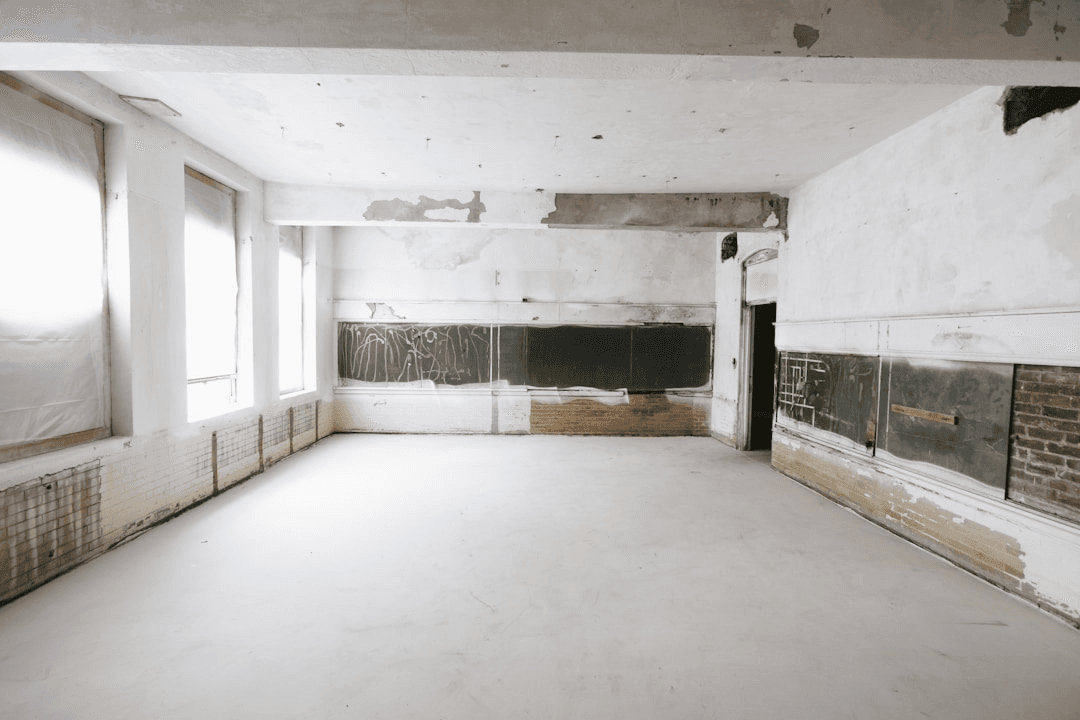
Office Lease Negotiation — Rent-Free Period is key for enterprises to reduce renovation costs
1. Definition and Essence of Rent-Free Period
The Rent-Free Period, also known as the Fit-out Period Concession, is a specific period granted by the landlord before the official lease term begins (or at the early stage of the lease term) during which rent is waived, allowing the tenant to carry out office renovation works.
The essence of the rent-free period is a concession provided by the landlord to attract tenants and compensate for vacancy losses, rather than an obligation. In the Hong Kong office market, the length of the rent-free period is influenced by vacancy rates, property grades, lease terms, and market supply and demand.
Important Distinction: The rent-free period usually only waives the "basic rent". Management fees and government rates & rent are still charged as normal during the rent-free period, which can amount to thousands or even tens of thousands of dollars per month and must be included in cash flow planning.
2. Rent-Free Period Benchmarks in the Hong Kong Market
According to market practice (2025–2026 market conditions):
Grade A Offices (Central, Admiralty, Wan Chai): Normal lease term of 3 years, rent-free period is usually 1–3 months; when market conditions are weak, some landlords offer up to 4–6 months.
Grade B / Commercial Buildings (Mong Kok, Kwun Tong, Tsuen Wan, etc.): Rent-free period is usually 2–4 weeks, and it is less commonly calculated in months.
Industrial Buildings Converted into Offices: Some landlords offer a rent-free period for renovations, but the duration is shorter, usually 2–4 weeks.
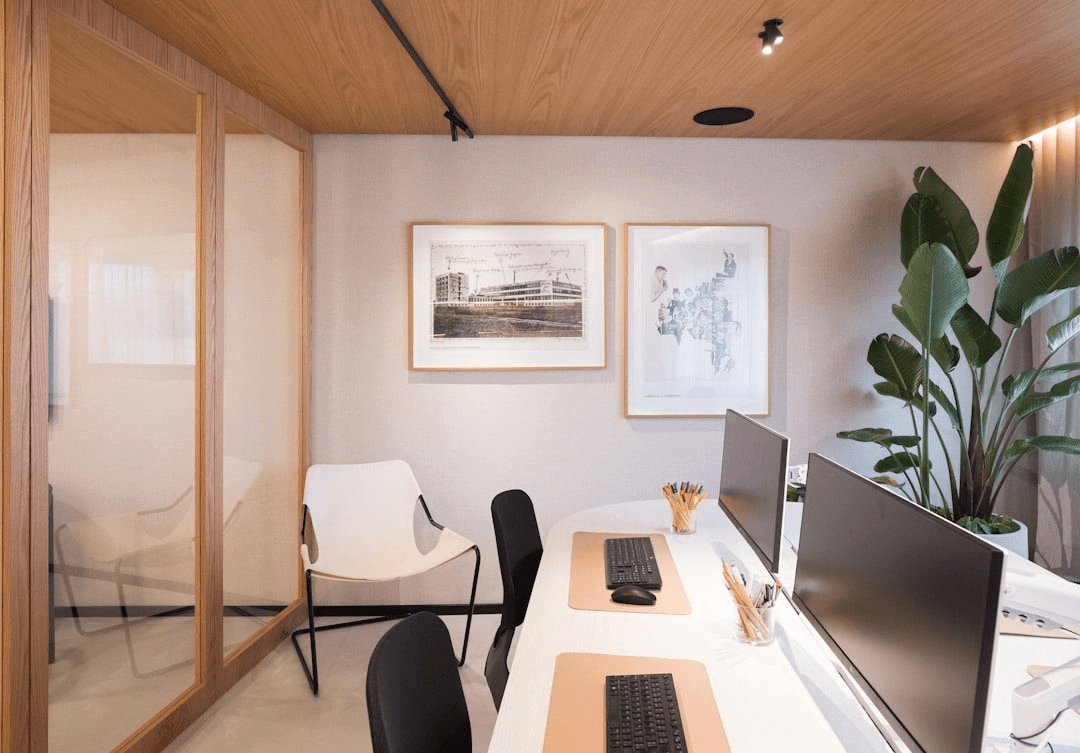
Modern Office — A reasonable rent-free period allows enterprises to comfortably complete renovation and layout setup
3. Rent-Free Period Negotiation Strategies
Strategy 1: Exchange longer lease terms for a longer rent-free period
Landlords care most about the stability of the lease. If you are willing to sign a lease of 3 years or more, you can request the landlord to extend the rent-free period to 2–3 months. For every 1-month extension of the rent-free period, it is equivalent to saving 1 month's rent. For an office with a monthly rent of $30,000, this saves $30,000 in cash.
Strategy 2: Demonstrate the scale of renovation works
Submit your renovation design plans and budget to the landlord to explain that the project requires sufficient time. For the landlord, the better the tenant's renovation, the higher the property value, so landlords are usually happy to cooperate and provide a reasonable rent-free period.
Strategy 3: Understand the landlord's vacancy pressure
If the property has been vacant for more than 3 months, the landlord's willingness to negotiate is stronger. You can learn about the property's vacant duration through estate agents to judge the landlord's room for concessions.
Strategy 4: Trade-off between rent-free period vs. rent discount
Landlords sometimes offer two options: a longer rent-free period or a lower monthly rent. If the office is planned to be leased for many years, the cumulative savings from a lower monthly rent under a long lease are greater; if capital is tight, prioritise securing a rent-free period to reduce initial cash flow pressure.
4. Common Pitfalls of Rent-Free Periods
Pitfall 1: Vague calculation of the rent-free period. You need to confirm whether the "rent-free period" is in Calendar Days or extra time prior to the Lease Commencement; the difference between the two can be up to 1–2 weeks.
Pitfall 2: Renovation overtime, yet to complete when the rent-free period ends. If the renovation project is delayed, the tenant must pay full rent starting from the lease commencement date, even if the office is not yet in use. Therefore, the construction schedule guarantee from the renovation company is crucial.
Pitfall 3: Still subject to building construction restrictions during the rent-free period. Even if approved by the landlord, the building management office's construction time restrictions (such as Monday to Friday, 9 am to 6 pm) still apply, affecting the actual days available for work.
Pitfall 4: Unclear rent-free period and lease start date. It must be clearly written in the lease: the start and end dates of the rent-free period (specific dates), the date rent payment begins, and the security deposit payment schedule.

Efficient Office — Accurately seizing the rent-free period is a key step to reducing relocation costs
5. How to Maximise the Use of Rent-Free Period
Every day of the rent-free period is valuable. To maximise its use, you need to complete the design scheme and select a renovation company before the lease is signed (even during the negotiation stage), so that construction can begin immediately after the lease is signed.
BW Design Centre provides a "design-first" service. Once clients identify their preferred unit, they can negotiate the design scheme first, ensuring that construction can start on Day 1 of the rent-free period without waiting for design approval. Coupled with a construction team of over 60 people, we ensure that all works are completed within the rent-free period for a timely handover.