Office Storage Planning: Steel Filing Cabinets vs. Wooden Storage Walls vs. Mobile Pedestals — Which is Best for You?
Office storage problems are the most common space pain point for SMEs in Hong Kong — documents piling up on desktops, temporary boxes placed in corridors, and staff personal items having nowhere to be placed. Effective storage planning not only solves the clutter problem, but also releases usable office area and improves space efficiency. This article compares the features and selection suggestions of three major storage solutions.
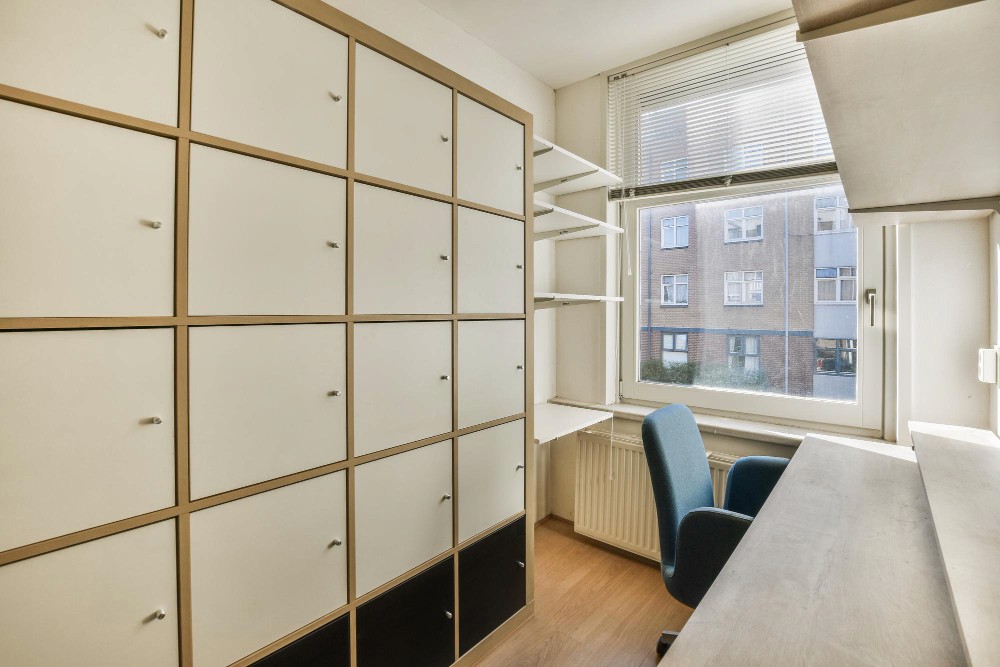
Office Storage Design — Systematically planned to solve space clutter problems
1. Office Storage Needs Analysis: Categorise first, then plan
Office storage can be divided into four major categories, each with different storage solution adaptabilities:
1. Daily documents (accessed daily): low-level drawers or low side tables near the desktop are required.
2. Periodic documents (accessed weekly): filing cabinets or mobile pedestals near the workstation.
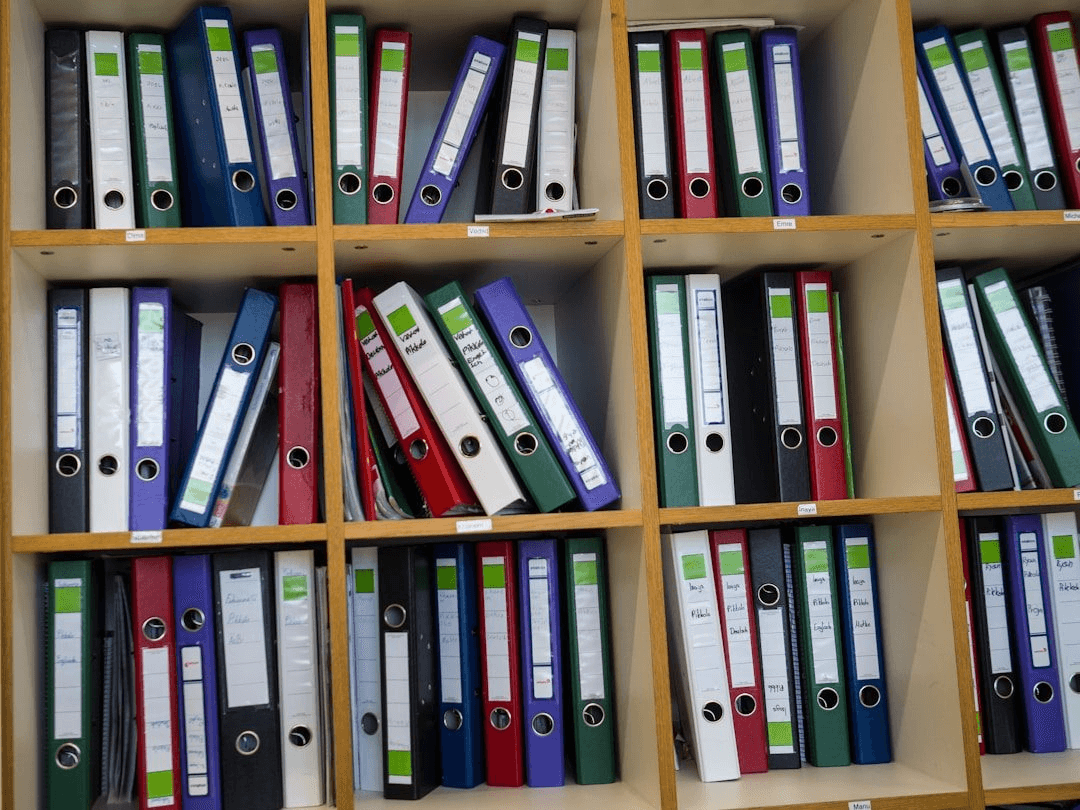
3. Archived documents (accessed monthly or less): can be placed in high-level storage walls at the back of the office or external archiving services.
4. Staff personal items: lockable personal lockers (especially essential for hot-desking offices).
Before planning, it is necessary to inventory all kinds of storage volumes first in order to determine how many linear meters of storage space are needed, avoiding over-investment or insufficient facilities.
2. Steel Filing Cabinet
Steel filing cabinets are the most traditional storage solution in Hong Kong offices, which have stood the test of time due to their high durability and cost-effectiveness.
Main specifications: standard three-drawer filing cabinet (H1,350mm × W470mm × D620mm), which can store A4 and Legal size documents; lateral file cabinet (Lateral Cabinet) is 900–1,200mm wide, suitable for large volumes of archiving.
Advantages: low cost ($800–$2,500/unit, depending on specifications), durability of 20+ years, can be locked to protect confidential documents, flexible movement (can be moved when the office is restructured).
Disadvantages: traditional appearance, not suitable for reception areas or high-end offices that emphasise brand image; all steel construction makes it heavy, not suitable for raised flooring with limited load-bearing capacity (e.g. raised floor offices, where structural loading needs to be verified).
Bespoke joinery storage wall — Integrating storage functions into the office design language
3. Built-in Storage Wall
Bespoke joinery storage wall is the preferred solution for high-end offices and brand image spaces (VIP rooms, executive offices), integrating storage functions with interior design.
Design advantages: can be completely customised according to office dimensions and design style, including colour, material, door opening method (sliding/folding/handleless push-to-open); can integrate monitors, power outlets, light strips, etc., transcending simple storage functions.
Cost: $500–$1,500/linear meter (basic panel style), high-end timber veneer or lacquered style can reach $1,500–$3,000+/linear meter. The cost is much higher than steel filing cabinets, but the design integration and aesthetics are incomparable.
Construction considerations: the choice of panels must strictly control formaldehyde (E0/E1 standard); the wall-fixed joinery must verify the load-bearing capacity of the wall; enclosed joinery storage areas need to leave ventilation gaps to prevent internal moisture.
4. Mobile Pedestal/Caddy
Mobile pedestals (usually with castors) are the preferred choice for personal workstation storage, which can be placed under desks or used as seats, offering extremely high flexibility.
Main specifications: standard pedestal (H590mm × W400mm × D500mm), containing two drawers for files and one shallow drawer; high pedestal (H690mm, chair height) can be used as a temporary seat.
Applicable scenarios: personal document and item storage for staff in open office areas; in hot-desking offices, each employee is equipped with a lockable pedestal that can be used at any workstation.
BW Furniture's mobile pedestal series costs $800–$2,000, offering a variety of colour choices (to match office design schemes), 7–10 working days delivery, supporting bulk purchases and 10% discount for schools/NGOs.

Office Mobile Pedestal — Flexible solutions for personal storage
5. Hybrid Storage Strategy: The optimal solution for different areas
Efficient office storage planning usually adopts a "three-tier storage system":
Tier 1: near personal workstations — mobile pedestals (personal daily documents)
Tier 2: departmental shared — steel filing cabinets (departmental archive documents, lockable)
Tier 3: back of the office/storage room — joinery storage walls or compactus systems (long-term archiving, large volume storage)
BW Design Centre incorporates storage needs into spatial planning at the early stages of office design, using "storage area ratio" (usually recommended to account for 5–10% of office area) as a planning benchmark to ensure the office does not experience common issues of insufficient storage space after put into use.