Office Design Trends: Hybrid Working, Biophilic Design, Noise-Cancelling Phone Booths — How Can Hong Kong Businesses Keep Up?
Today's office design is no longer just about arranging desks and chairs; it is a systematic response to the profound shift in employee behavior patterns. The normalization of hybrid work, rising employee wellness awareness, and the demand for technology integration are collectively shaping the new direction of office design. This article outlines the three core trends that Hong Kong enterprises need to pay attention to and their implementation methods.
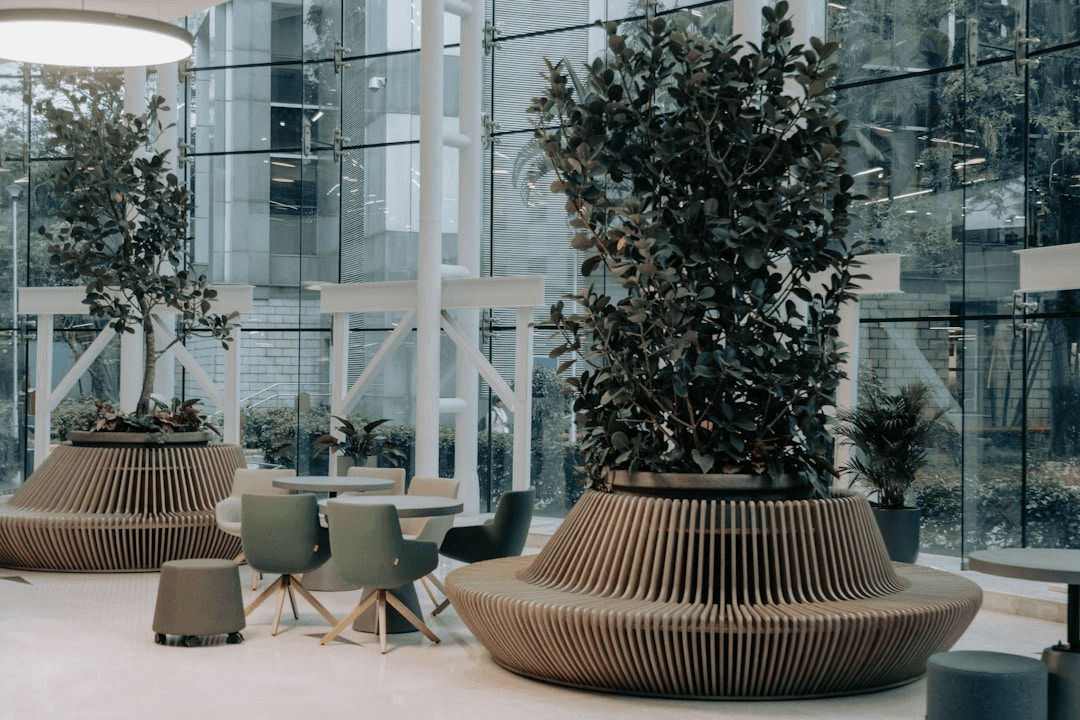
Office Design Trend — Integration of Biophilic Materials and Flexible Spaces
1. Trend 1: Hybrid Work Space Design
The hybrid work model (some employees working from home, some in the office) has evolved from a special arrangement to the norm in Hong Kong. In 2026, space design that supports hybrid work needs to address two core questions: Is the office attendance rate fixed? Are video communication facilities well-equipped?
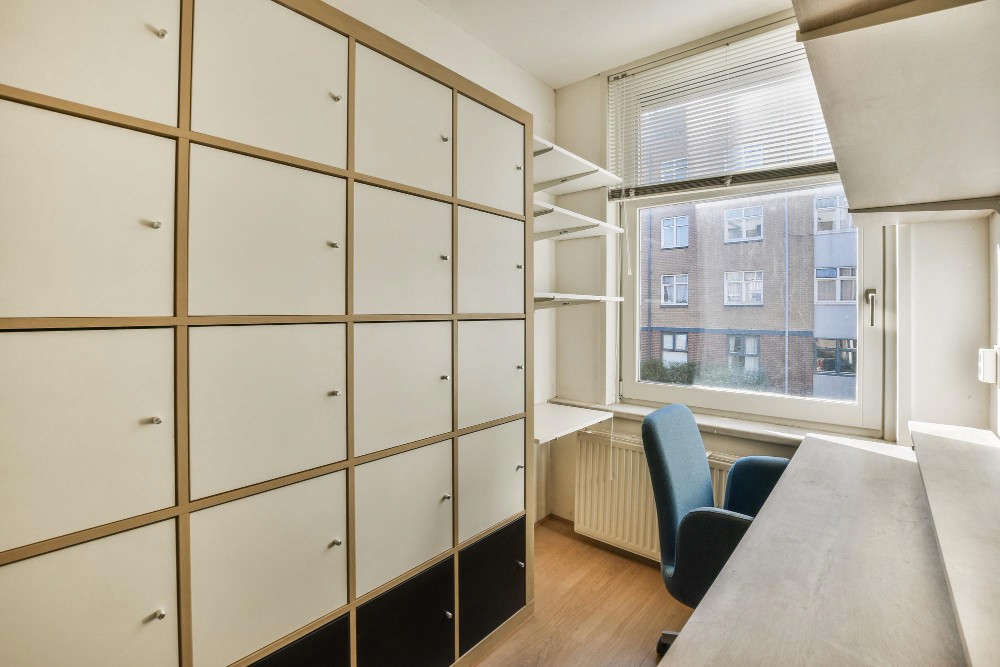
Hot Desking/Desk Booking: Employees have no fixed desk and reserve workspace as needed upon arriving at the office. After implementing hot desking, Hong Kong enterprises can typically reduce office space by 15–25%, with each hot desking employee requiring a personal locker.
Video Collaboration Facility Upgrades: Every meeting room must be equipped with video conferencing equipment (cameras + microphone arrays + display screens) to support employees working from home to participate in meetings. A "One-Touch Join" solution is recommended to lower technical barriers.
Rising Demand for Individual Phone Booths: Hybrid work has increased the frequency of employees needing to make private video calls. Individual soundproof phone booths have become standard office equipment in 2026. In BW Design Centre's latest commercial projects, almost all offices over 1,000 sq ft have at least one individual phone booth space designed.
2. Trend 2: Biophilic Design
Biophilic Design is a design philosophy that systematically introduces natural elements into indoor spaces. Studies show that introducing natural elements into the office can increase employee creativity by 15% and happiness index by 6% (study by the University of Exeter, UK).
Biophilic Design Trends in Hong Kong Offices:
Living Green Wall: Plant walls with sustainable irrigation systems have transitioned from luxury installations to mainstream. It is recommended to install them in reception or collaboration areas, with a size of 6–12m² and a cost of $15,000–$40,000 (including irrigation system), serving as a visual highlight of corporate culture.
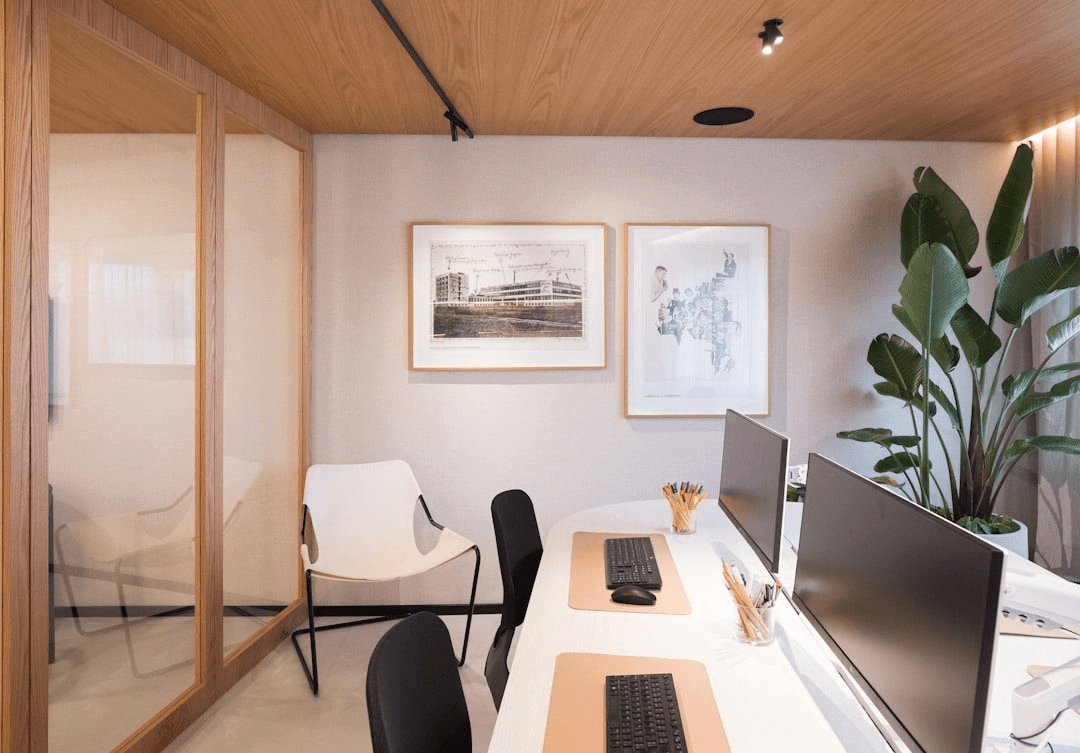
Application of Natural Materials: Wood (solid wood/bamboo finishes), natural stone, and raw brick are used instead of cold, hard metals and plastics to create a warm sensory environment. Note: The formaldehyde emission rate of natural materials is typically lower than that of engineered wood panels, aligning with wellness design trends.
Maximizing Natural Light: The trend in office planning for 2026 is "allowing natural light to penetrate deeper into the office" — using glass partitions instead of solid walls, and installing skylights or light tubes where architectural conditions permit. Studies show that employees at workstations with natural light sleep 46 minutes more per night (study by Northwestern University).
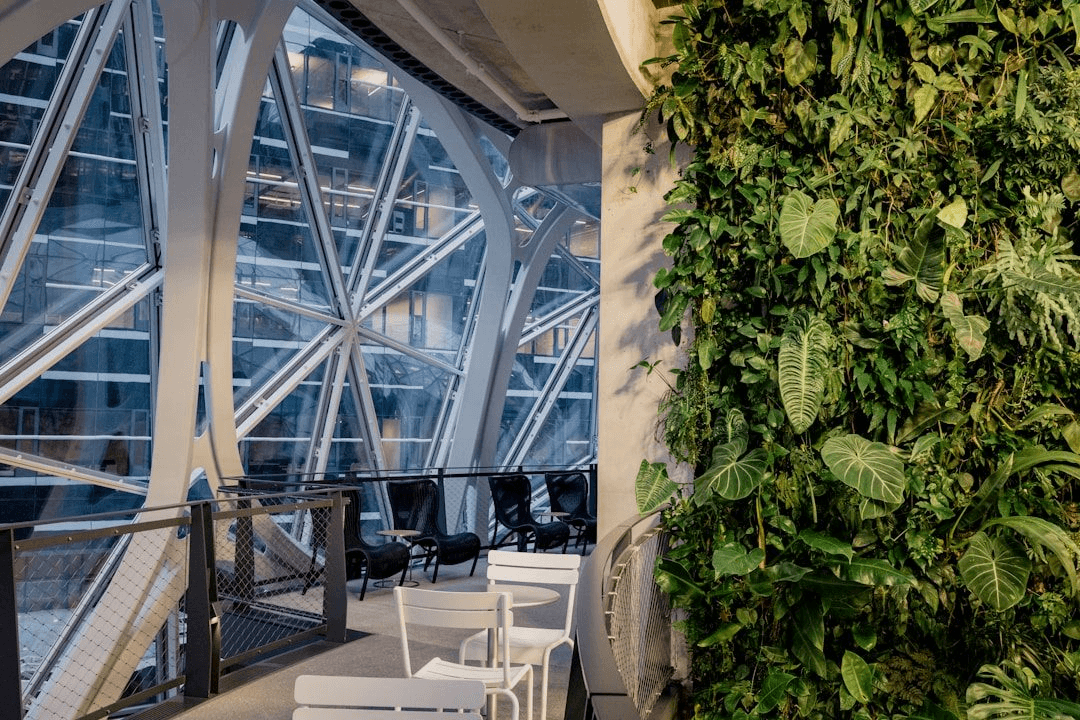
Office Biophilic Design — Spatial Integration of Natural Materials and Plant Elements
3. Trend 3: Noise Reduction Phone Booths and Quiet Work Pods
The noise problem in open-plan offices is more prominent in the hybrid work era — when working from home, employees enjoy a quiet, private office environment; when they return to the office, they face an open-plan noisy environment, creating a sharp contrast and causing employee dissatisfaction.
Three Levels of Noise Reduction Solutions:
Basic Level — Acoustic Materials: Add acoustic panels to ceilings and set up low partitions (800–1,000mm high) between workstations to reduce reverberation time in the office area (RT60 target ≤ 0.5 seconds).
Middle Level — Phone Booths/Quiet Zones: 1–2 person individual phone booths, providing high privacy for short-duration calls and video sessions; "Quiet Collaboration Zones" (limited to quiet conversation, phone calls prohibited), suitable for work requiring focus.
Advanced Level — Sound Masking System: Install Sound Masking speakers in the ceiling or under the raised floor to emit low-frequency background sound (simulating air conditioning white noise) to mask office conversations, effectively reducing speech intelligibility (proven to reduce employee conversation understanding by over 50%). The cost of a Sound Masking system is $15,000–$60,000, suitable for offices over 1,500 sq ft.
4. How BW Design Centre Implements the Latest Design Trends
Trends do not equal inflated costs. When assisting clients in planning offices for 2026, BW Design Centre follows the principle of "business demand leading the application of trends": first understanding the company's hybrid work attendance rate, industry characteristics, and 3-year growth plan, and then introducing design trends in order of priority to ensure that every investment has a clear business return, rather than purely pursuing visual trends.
In its latest commercial projects, BW Design Centre has successfully implemented hybrid work space planning for multiple Hong Kong enterprises, providing one-stop services from design and construction to furniture procurement. Sixteen years of commercial design accumulation ensures the feasibility of trend applications.
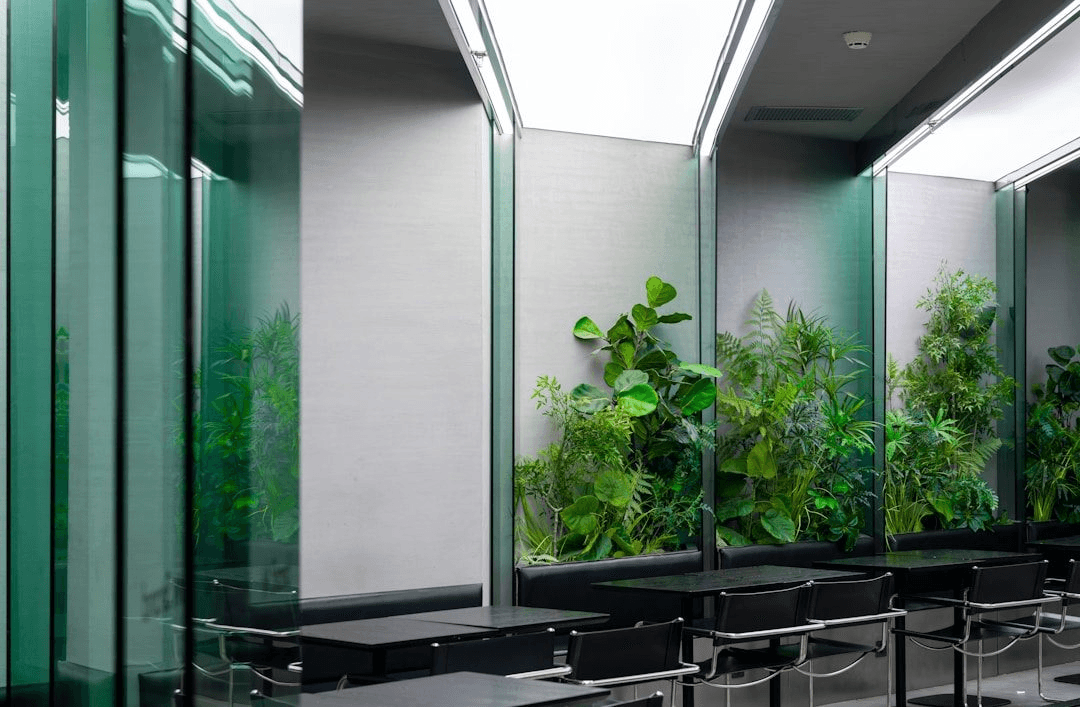
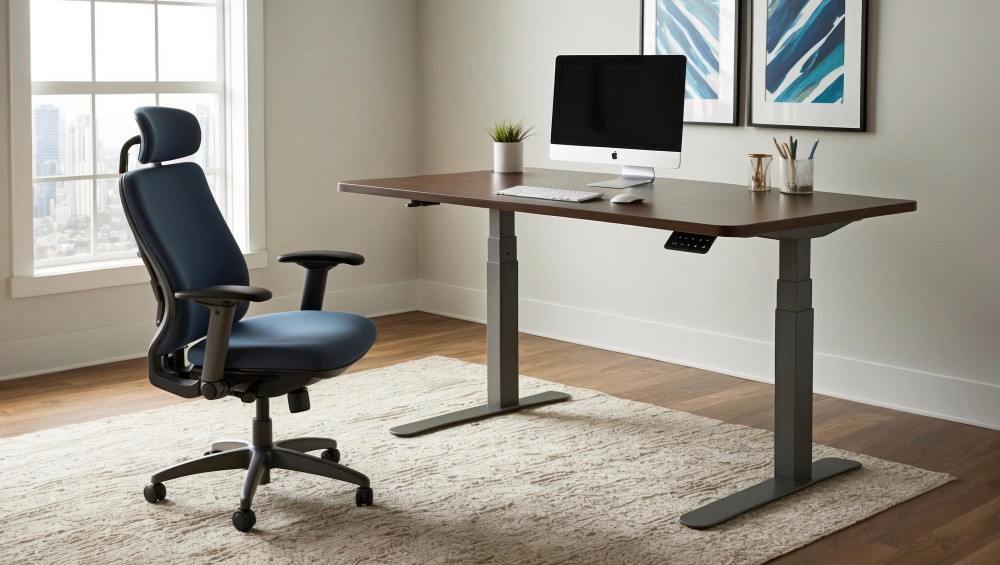
Office Design — The Future Form of Hybrid Workspaces