How to choose an office chair? 6 core standards of ergonomic chairs - Hong Kong buying guide
The office chair is the only item in office furniture that remains in continuous direct contact with employees' bodies, with contact time lasting as long as 6 to 8 hours each working day. Choosing the wrong office chair leads to lower back problems that not only affect employee health but also directly impact work efficiency and the company's long-term medical costs. This article provides 6 core standards for purchasing ergonomic chairs, as well as common procurement decision-making myths of Hong Kong enterprises.
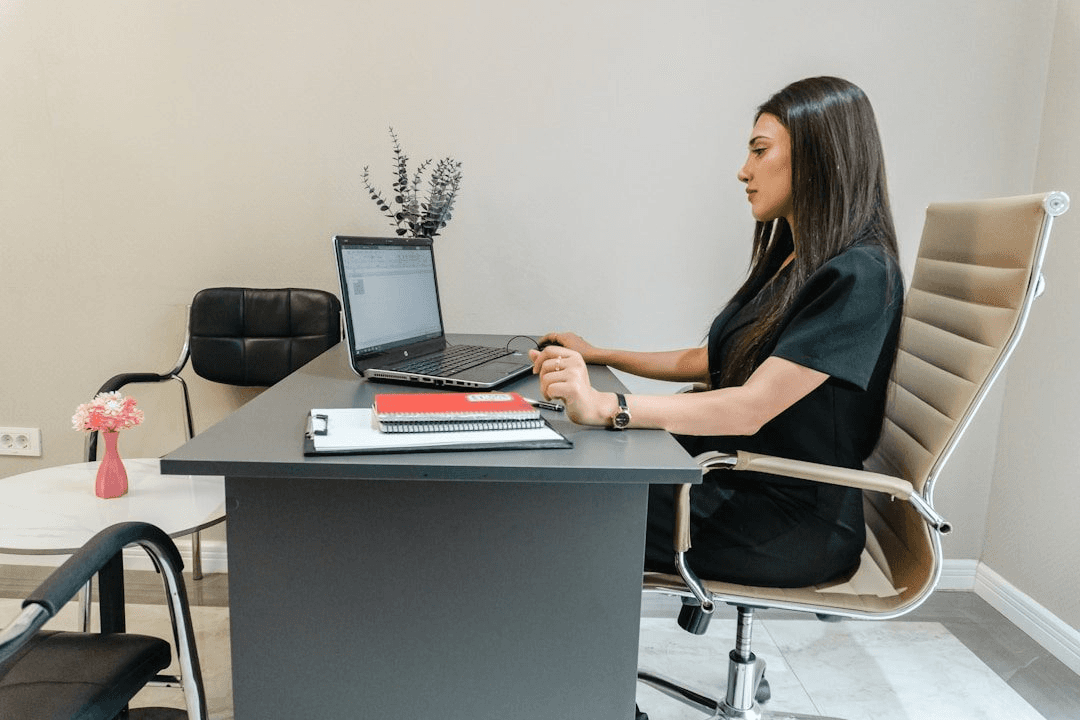
Ergonomic Office Chair — Foundational Investment for Spinal Health and Work Efficiency
I. Standard One: Lumbar Support
Lumbar support is the most core function of an ergonomic chair. Evaluation points:
Support Position: The highest point of the lumbar support pad should be located at the third to fourth lumbar spine (L3-L4), which is the deepest part of the natural curvature of the waist, approximately 200–280mm above the seat cushion. Adjustability of Support Height: Employees of different body types have different curvature of the lumbar spine; high-quality lumbar support must be vertically adjustable (at least a 50mm adjustment range). Support Force: Some top-tier chairs offer front-to-back adjustment (support depth), allowing users to adjust according to their personal lumbar curvature.
II. Standard Two: Seat Height Adjustment Range
Seat height adjustment determines whether employees can maintain a correct sitting posture with "knees bent at 90° and feet flat on the floor."
Distribution range of sitting height for Hong Kong adults: Employees with heights from 160–195cm have seat height requirements corresponding to approximately 380–500mm. When purchasing corporate office chairs, it is recommended that the gas lift adjustment range covers 380–500mm (or above) to ensure suitability for employees of different body types. Note: The gas lift adjustment range of cheap chairs is often only 40–50mm, making it difficult to adapt to a diverse group of employees with significant differences in body shape.
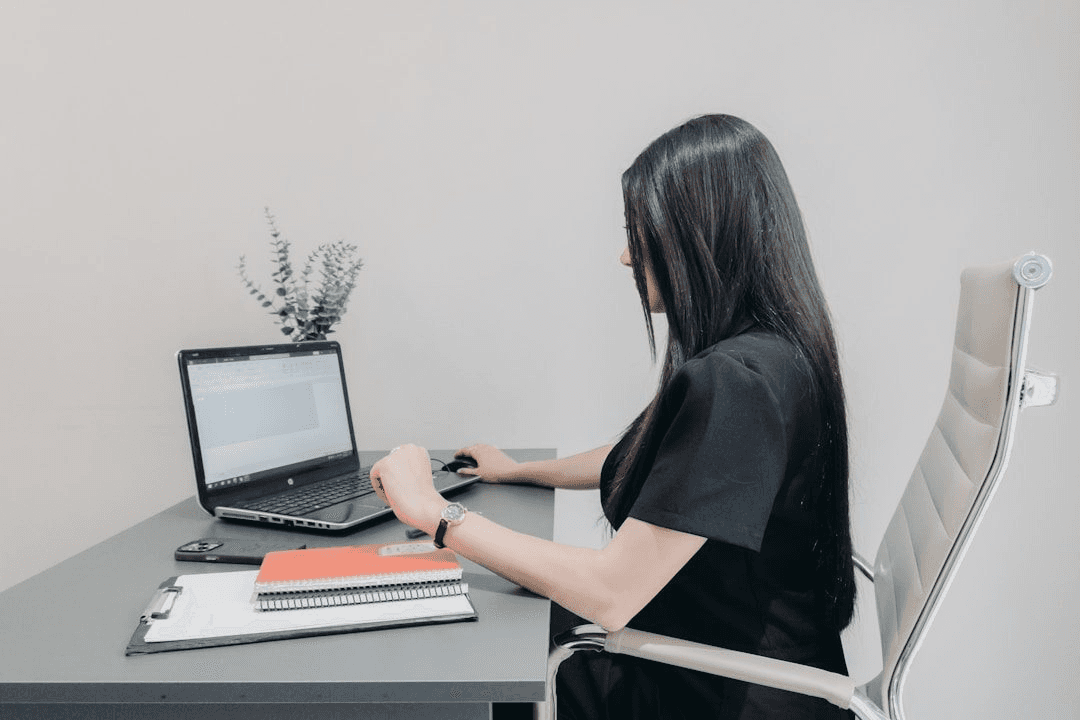
Ergonomic Chair Details — Precise Adjustment of Armrests, Seat Depth, and Lumbar Support
III. Standard Three: Armrest Design
Armrests may seem like accessories, but they actually have a direct impact on neck and shoulder health. Poor armrest design is one of the major causes of neck and shoulder pain among employees.
2D Armrest (height adjustment): Basic configuration, meeting most needs. 3D Armrest (height + front-to-back + left-to-right adjustment): Suitable for long hours of computer work, can be fine-tuned to match different workstation heights and usage habits. 4D Armrest (adding armrest pad rotation): The highest-end configuration, suitable for work scenarios requiring drawing or fine operations. The armrest height should allow the elbow joint to bend at approximately 90°, with shoulders relaxed naturally and not shrugged.
IV. Standard Four: Seat Depth Adjustment
Seat depth (front-to-back adjustment) is often overlooked, yet it affects blood circulation in the legs during long periods of sitting. Correct seat depth: The front edge of the seat cushion is 50–100mm away from the back of the knees, ensuring no pressure is applied to the underside of the thighs. If the seat depth is fixed and too deep, smaller-bodied employees must "sit forward," losing lumbar support; if the seat depth is too shallow, thighs lack support, leading to easy fatigue. The seat depth adjustment range of high-quality chairs should be at least 50mm.
V. Standard Five: Recline Mechanism
The tilt mechanism of an office chair allows users to recline slightly to rest, reducing pressure on the spine. Evaluation points: Tilt Lock: Ability to lock at any recline angle (rather than only a few fixed levels) to adapt to different working scenarios. Tension Adjustment: Users of different weights require different tilting resistance, so there must be a tension adjustment knob. Synchro-tilt Mechanism: High-end chairs feature synchronous tilting of the seat cushion and backrest, maintaining a back-to-thigh ratio of about 2:1 when reclining, which is more ergonomic.
VI. Standard Six: Material and Breathability
Summers in Hong Kong are hot, and the breathability of office chairs affects the long-term comfort of employees. Mesh Back: Offers the best breathability, suitable for Hong Kong's climate, and is the mainstream market choice (such as Herman Miller Aeron, Haworth Fern). Foam + Fabric: Poor breathability but softer, suitable for northern climates; easily causes back sweating in Hong Kong's summer. Leather/PU Leather: High-end look, suitable for executive offices, but poor breathability, recommended for use in well-air-conditioned environments.
The office chair options provided by BW Furniture cover different price ranges from $800 to $5,000+. Corporate procurement can enjoy a 10% discount for schools and NGOs, offering free delivery across Hong Kong and installation within 7–10 working days, and HSBC P-Cards can be used for payment to reduce corporate purchasing administrative costs.
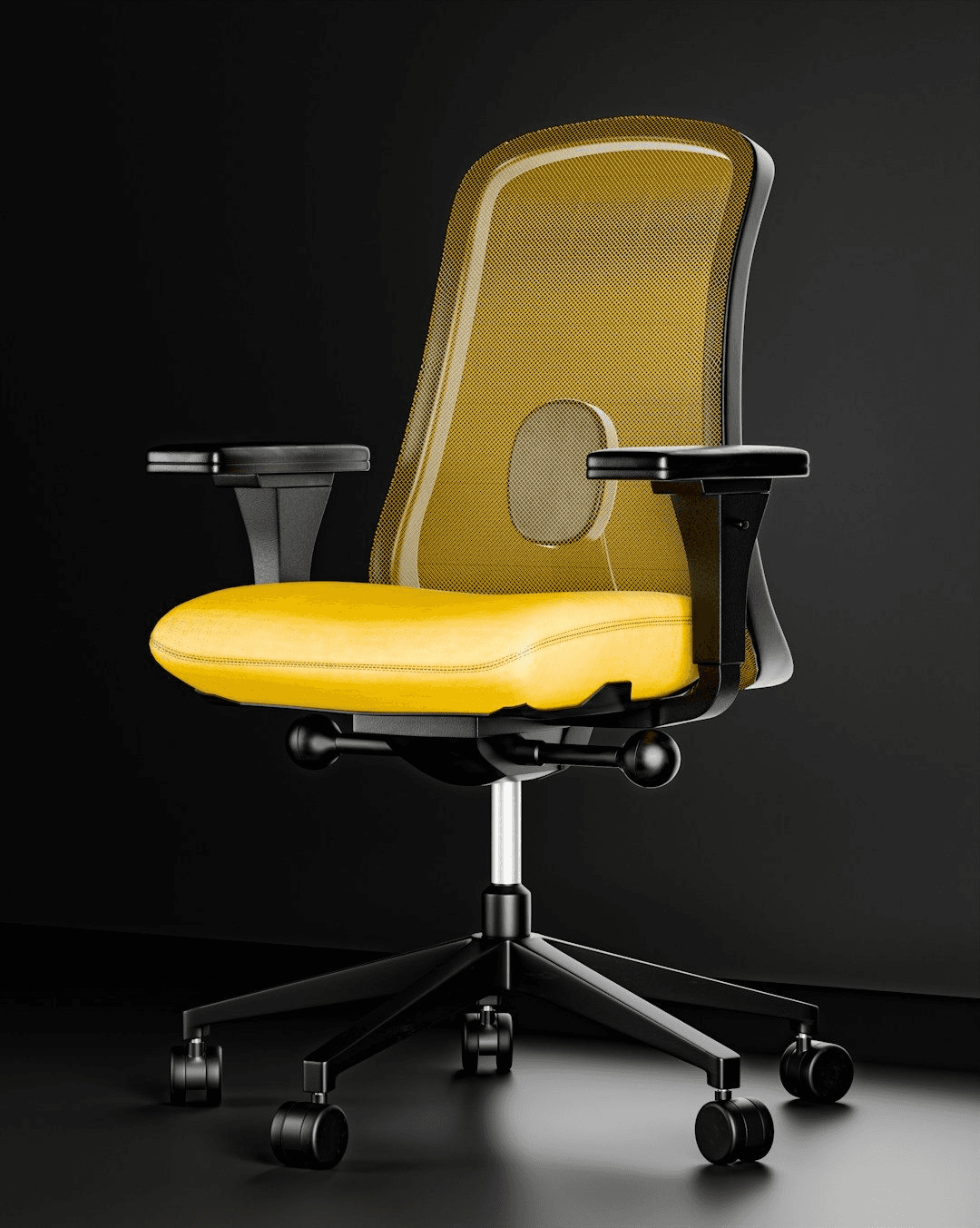
Modern Office Furniture Matching — Chair selection is an important part of office investment