No matter how you sit, you just can't get comfortable? You might need a good ergonomic chair
In today's modern office environment, prolonged sitting has become a daily routine for many office workers. According to data from the World Health Organization (WHO), approximately 619 million people worldwide were affected by low back pain (LBP) in 2020, and this number is expected to increase to 843 million by 2050. This phenomenon is not limited to office workers; in fact, over 80% of office workers face issues such as lower back pain and neck and shoulder discomfort, which not only seriously affects personal health but also reduces work efficiency and quality of life. Research points out that sedentary behavior, whether during work or leisure time, moderately increases the risk of low back pain, particularly prominent among adults, children, and adolescents. For example, a prospective cohort study involving over 365,000 participants found that excessive daily sitting time increases the risk of back pain, while reducing daily sitting time by just 40 minutes can effectively prevent back pain from worsening. Additionally, another study showed that people who walk more than 100 minutes a day have a 23% lower risk of chronic low back pain compared to those who walk less than 78 minutes. These statistics highlight the close link between a sedentary lifestyle and musculoskeletal disorders.
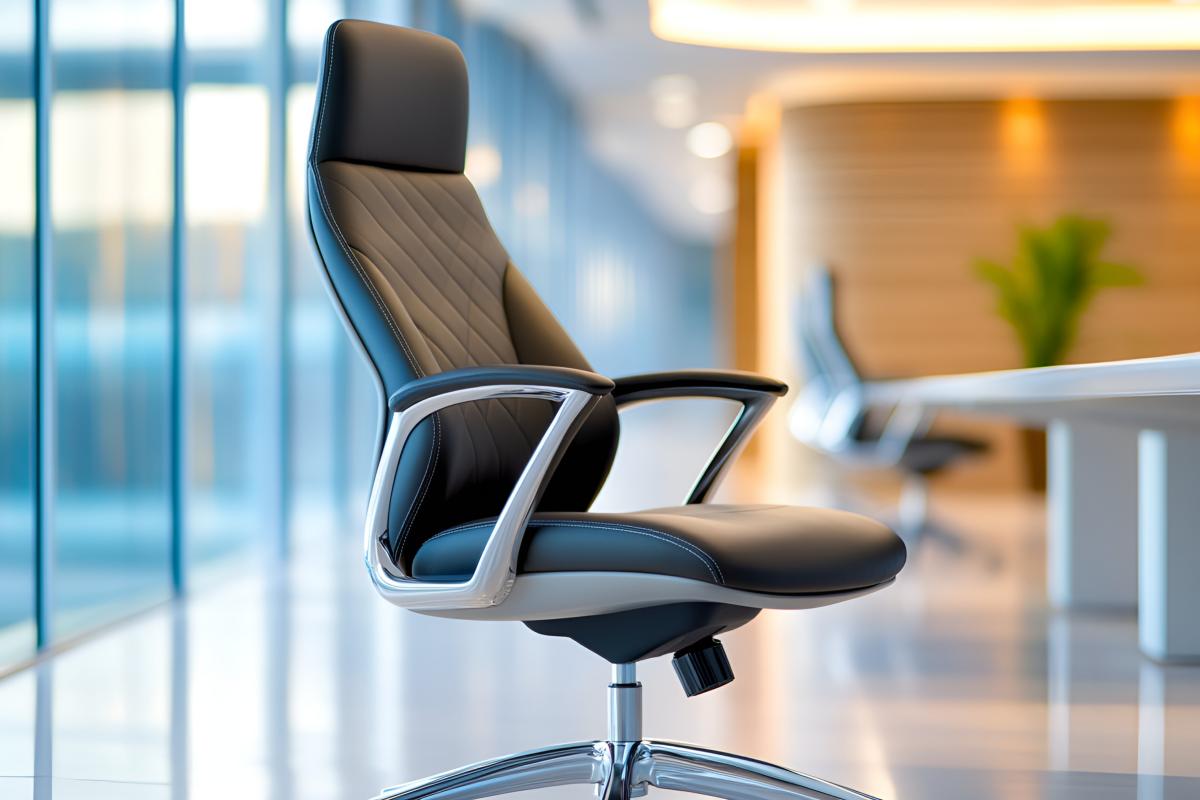
Office renovation involves not only spatial layout and aesthetic design but also requires focus on furniture selection, especially ergonomic chairs.
This kind of chair is not just a simple seat, but a long-term investment in health. It seamlessly integrates with the overall office environment, enhancing employee well-being and strengthening corporate image. In fact, in today's increasingly popular hybrid work model, ergonomic chairs have become a key tool for improving productivity and reducing healthcare costs. According to relevant research, using ergonomic chairs can reduce the risk of musculoskeletal disorders by up to 75%, while reducing medical expenses and improving work performance. This article will explore in detail the definition, history, design principles, key features, benefits, and buying guide of ergonomic chairs, aiming to provide readers with comprehensive, factual, and evidence-based information.
An ergonomic chair, also known as a task chair or an ergonomics-designed chair, is an office seat designed based on the principles of ergonomics.
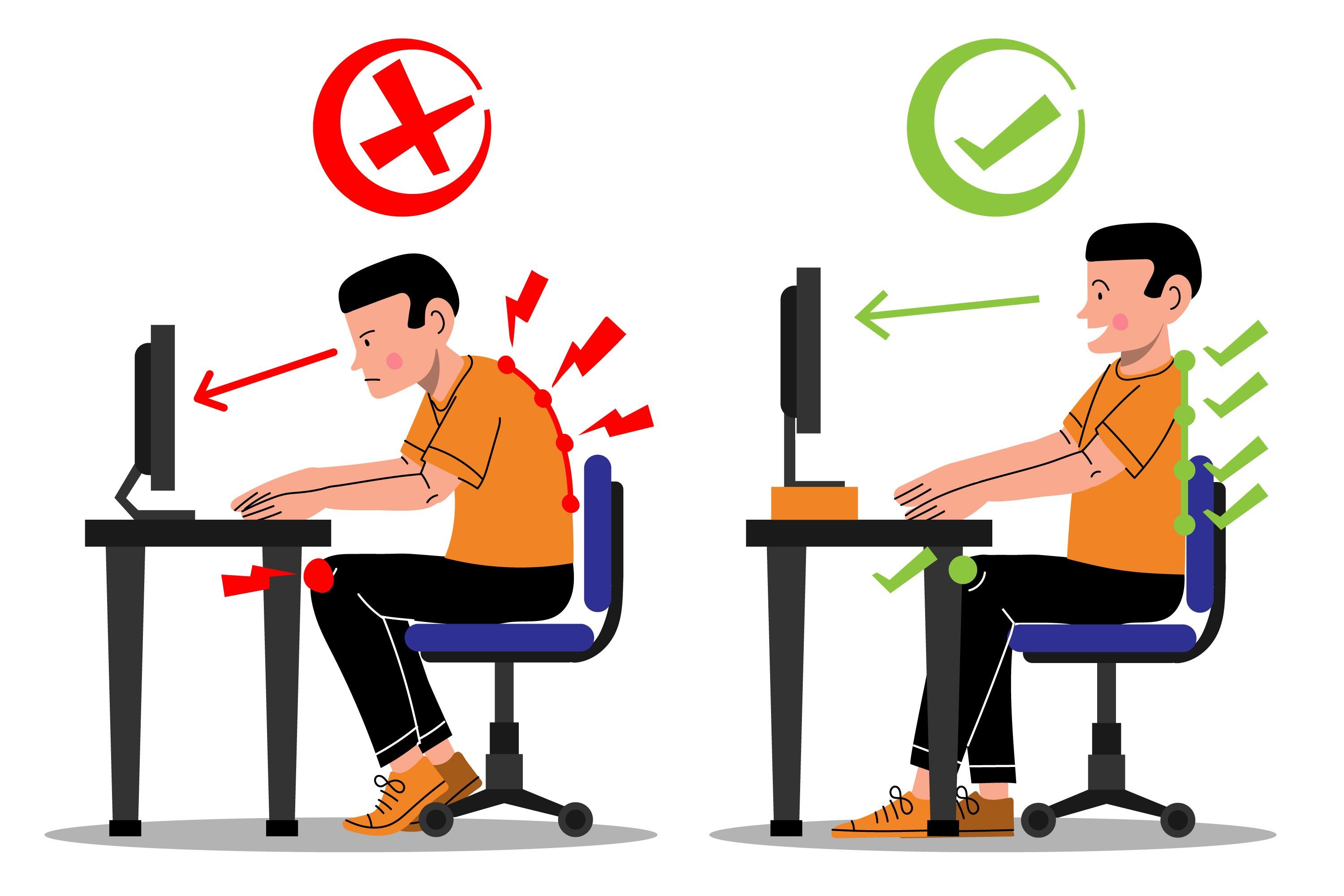
Ergonomics originates from the Greek words "ergon" (work) and "nomos" (natural laws), and its core philosophy emphasizes that product design must conform to the body's physiological structure, movement habits, and environmental needs, thereby minimizing bodily load and maximizing comfort. Compared to traditional chairs, ergonomic chairs focus more on dynamic support, capable of mimicking the natural S-shaped curve of the human spine, including cervical lordosis, thoracic kyphosis, lumbar lordosis, and sacral kyphosis, avoiding pressure concentration caused by static sitting. This design philosophy stems from a deep understanding of human anatomy; for example, the natural curve of the spine helps maintain body balance, and if neglected for a long time, it easily leads to herniated discs or muscle tension.
The history of ergonomic chairs can be traced back to the mid-19th century when, with the progress of the Industrial Revolution, more workers began to work sitting at desks for long hours, prompting the development of office chairs to adopt more functional features, such as adjustable height and wheels. However, modern ergonomic chairs in the true sense appeared in the 20th century. In 1904, the famous architect Frank Lloyd Wright was credited with designing the world's first ergonomic office chair, emphasizing comfort and functionality. Moving into the 1970s, the era of ergonomic chairs officially began, influenced by various factors including rising awareness of workplace health and technological progress. In 1976, Herman Miller designer Bill Stumpf introduced the famous Ergon Chair, which is considered a pioneering product in task chair design, introducing multiple adjustment functions to accommodate different users. Subsequently, in 1994, the Aeron Chair designed by William Stumpf and Donald Chadwick for Herman Miller innovated even further, using lower back support and mesh material, and became a classic. In the 1970s and 1980s, with the rise of office work, ergonomics greatly influenced the development of office chairs, and designers like Niels Diffrient drove further innovations. Today, ergonomic chairs are not only used in offices but are also widely applied in home, medical, and industrial environments, with international standards such as BIFMA G1 or DIN 1335 ensuring their quality and safety.
The core design concept of ergonomic chairs lies in "dynamic sitting," which encourages users to frequently adjust their posture rather than maintaining a fixed state.
Research shows that the average adult sits for more than 8 hours daily, and without proper support, this easily leads to Musculoskeletal Disorders (MSDs). For instance, a systematic review analyzing the ergonomic aspects of sitting and work furniture emphasized that dynamic design can affect evaluation results and improve health. Ergonomic chairs achieve personalized fit through multi-point adjustments, covering comprehensive support from the neck to the feet. Specifically, its key features are reflected in height adjustability, typically featuring 8-12 adjustment functions to adapt to users of different heights (150-195cm) and weights (40-150kg).
First, the seat height adjustment utilizes a pneumatic cylinder mechanism, which can raise or lower the seat to 40-52cm, allowing the knees to bend at 90 degrees, thighs parallel to the ground, and feet flat on the floor, thereby reducing pressure on the knee joints and lumbar spine. This feature is standard on most ergonomic chairs and prevents poor blood circulation in the legs. Secondly, lumbar support is a core element, located at the fourth to fifth lumbar vertebrae, with a thickness of about 5cm and a height of 10-18cm, providing spring-loaded dynamic curve support. It can be adjusted for height, firmness, and depth to fill the gap of lumbar lordosis, preventing muscles from overexerting. Research shows that proper lumbar support can minimize intervertebral disc pressure. Thirdly, backrest height and angle adjustment are crucial; the backrest height should be at least 50cm, and the angle can be locked at 110°-130° (under this angle, lumbar disc pressure is the lowest), supporting synchronous tilt (the backrest tilts 1 degree while the seat cushion moves back 0.5 degrees), with tension adjusted according to weight to distribute upper back weight. Some chairs also offer a forward tilt mode of 85° for precision work, and a recline mode of 135° for resting.
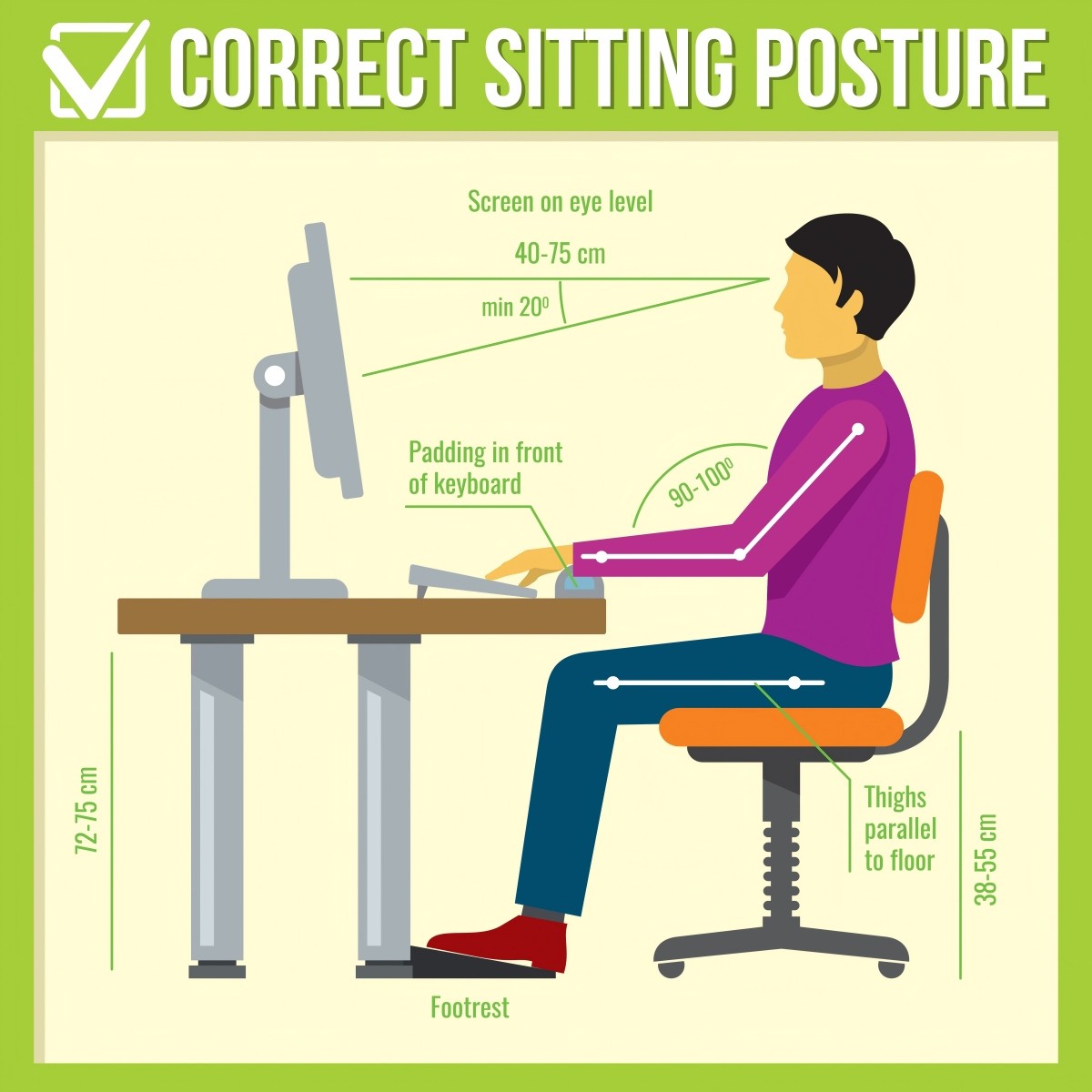
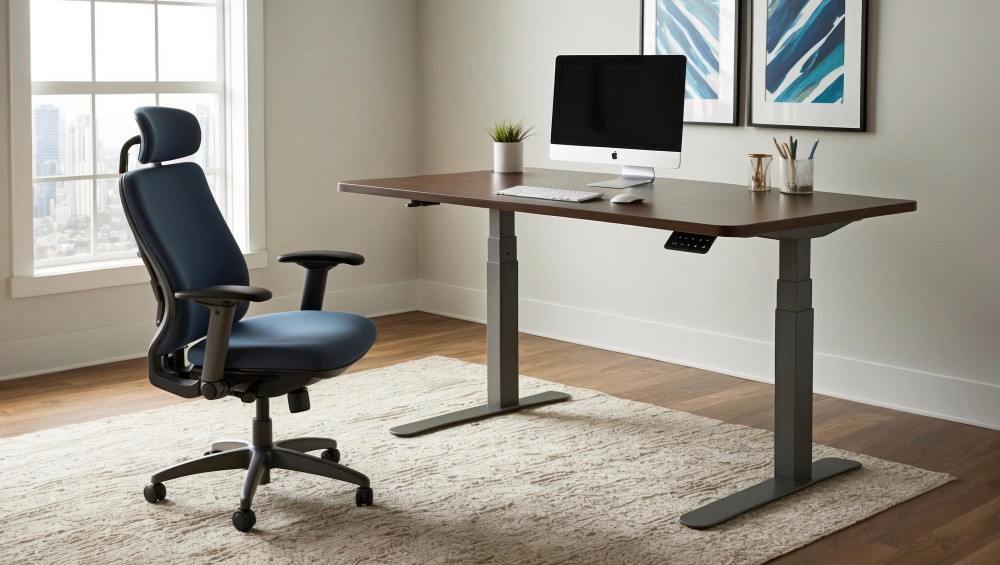
Additionally, the armrests are designed to be 4D adjustable (height 20-25cm, front-to-back, width, rotation), allowing arms to rest naturally at 120 degrees, reducing shoulder and neck load. The seat depth can slide 5-7.5cm, ensuring a 2-4 finger gap between the back of the knees and the seat edge to prevent thigh compression. The headrest height and angle are adjustable, supporting the C-curve of the cervical spine to prevent "tech neck." The base has at least a five-star caster design, with high-quality wheels suitable for hard floors to ensure stable movement. In terms of materials, mesh or high-density foam provides breathability and durability, while low-VOC eco-friendly coatings comply with green building standards. High-end models, such as 6D ergonomic chairs, add multi-dimensional support to simulate human kinematics. These features are not only based on anatomy but have also undergone rigorous testing; for example, research by Herman Miller found that seated individuals move their torso 53 times per hour, so chair designs need to encourage movement.
The benefits of adopting ergonomic chairs are significant, first on a health level. Orthopedic doctors point out that they maintain a neutral spinal position, reducing the risk of herniated discs, scoliosis, and muscle tension, with up to 70% of low back pain relieved through this. Through even pressure distribution, blood circulation is improved, lowering the incidence of deep vein thrombosis; neck and shoulder pressure is relieved, preventing carpal tunnel syndrome. Long-term use can enhance posture awareness and reduce the incidence of chronic pain by 20-30%. A workplace chair intervention study showed that using ergonomic chairs can effectively reduce musculoskeletal symptoms. For example, analytical research on the Mirra 2 ergonomic chair indicates that long-term investment can improve overall health and reduce the risk of musculoskeletal issues. Furthermore, ergonomic furniture can improve posture, increase comfort, reduce neck problems, relieve back pain, and ease hip pressure.
Secondly, on a productivity level, a comfortable environment can prolong focus times. Research shows that users increase posture adjustment frequency by 11%, decrease sitting duration by 12%, and achieve up to a 40% reduction in discomfort. In fact, employee productivity can increase by 17.7% when using ergonomic office chairs. Another study emphasizes that, in addition to comfort and productivity, ergonomic chairs provide hidden returns, such as boosting employee satisfaction and reducing turnover. Unexpected benefits of ergonomics in the workplace include boosting mood, inspiring creativity, and enhancing mental acuity. At the corporate level, reducing sick days can yield a return on investment (ROI) of up to 3:1, particularly suitable for hybrid work models. According to CDC data, prolonged sitting and lack of activity can impact back pain and productivity, and ergonomic chairs can alleviate this issue.
Purchasing an ergonomic chair requires a systematic evaluation to avoid common flaws like fixed lumbar support or shallow seat cushions.
Step 1: Evaluate needs, prioritizing multi-functional models for long-duration desk workers, with a budget of NT$5,000-30,000. Consider the work tasks, body size, and shape, as one size does not fit all tasks. Step 2: Test sit for at least 15 minutes to check if the adjustment range covers your body shape (seat width > hips by 2.5cm). When test sitting, note whether the chair allows for a recline angle of 100-110 degrees. Step 3: Verify core features—lumbar support elasticity, tilt lock, multi-directional armrests; material durability (such as non-slip mesh). Look for lumbar support that is adjustable in height, depth, and pressure. Armrests should be adjustable in height and direction to accommodate desk height. Step 4: Check certifications and reviews, prioritizing BIFMA or GS marks. Consider whether the chair uses heat-absorbing materials and has multiple adjustment features. Step 5: Consider environmental integration, such as matching a desk height of 75cm, paired with a footrest. Experts remind us that even with the best chair, one needs to stand up and move every 30 minutes, combining stretching exercises to achieve the best results. The WHO recommends adults engage in at least 150 minutes of moderate-intensity activity per week to combat the risks of prolonged sitting.
In summary, an ergonomic chair is not just furniture but a guardian of health, and in office renovation, its selection directly affects spatial efficiency. We bring together professional furniture suppliers to provide tailor-made matching services, from evaluation to installation, offering a one-stop solution. By investing in quality ergonomic chairs, both individuals and enterprises can achieve a win-win situation for health and efficiency.