A Must-Read Guide to Setting Up Shop in a Mall: Complete Analysis of the Leasing Process, Renovation Approval, and Key Considerations, and More
With the retail sector continuing to recover, shopping mall shops have become one of the top choices for entrepreneurs. According to the latest report from the Hong Kong Productivity Council, the shopping mall leasing market is expected to grow by 5-7%, benefiting from the recovery of tourism and the rebound in local consumption. Shopping mall shops offer advantages such as stable foot traffic, well-equipped facilities, and comprehensive security management. However, the document applications and decoration regulations during the entry process often deter entrepreneurs. According to data from the Lands Department, development submissions under leases require strict approval to ensure compliance with urban planning and safety standards. This article outlines the key steps and precautions for leasing shopping mall shops to help you start your business smoothly. The content is based on official guidelines from the Food and Environmental Hygiene Department (FEHD), the Buildings Department, and major shopping malls like Sun Hung Kai Properties, combined with industry reports, to provide reliable and practical guidance. Through professional planning, entrepreneurs can effectively control costs, avoid common pitfalls, and achieve an efficient opening.
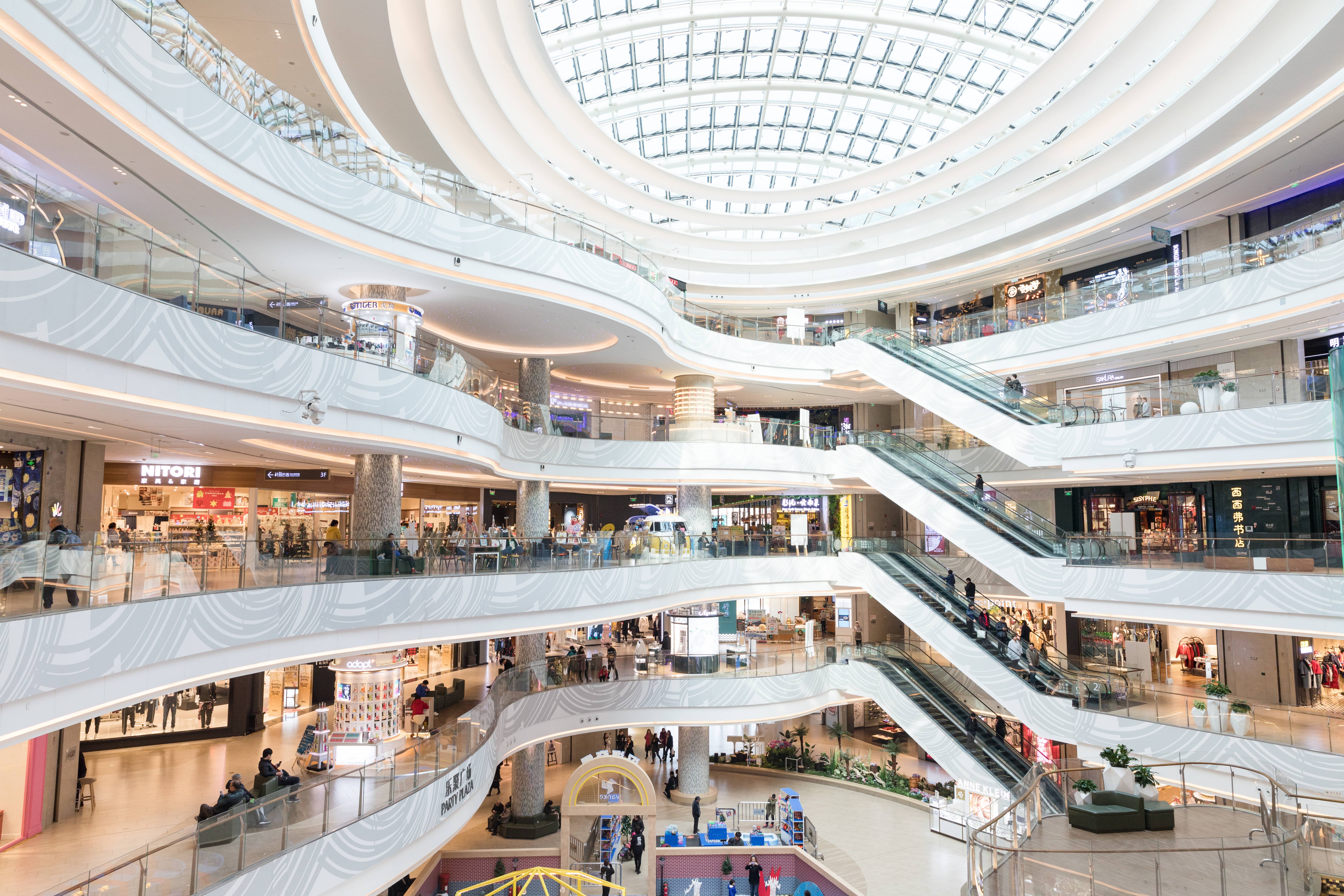
Advantages and Location Considerations of Shopping Mall Shops
Shop types are mainly divided into street shops, shopping mall shops, and upper-floor shops. Before choosing, a comprehensive evaluation of the following factors is required: location and consumer traffic characteristics, operating costs and budget planning, shop area, and industry suitability (e.g., the catering industry needs to check water supply and drainage, toilets, power configuration, etc.). According to JLL's 2025 China Office Leasing Guide (applicable to Hong Kong retail), the average rent for shopping mall shops is HKD $100-300 per square foot, depending on locations such as Central or Mong Kok. If the budget is sufficient, shopping mall shops are an excellent choice: guaranteed stable foot traffic, spacious spaces with complete facilities, and perfect security management. The Hong Kong Housing Authority points out that most commercial property leases are for a fixed 3-year term, usually let through tendering. For example, in large shopping malls like Pacific Place, daily foot traffic can reach tens of thousands of people, which is much higher than the volatility of street shops.
However, shopping mall decoration and application procedures are relatively complex. According to Savills' 2025 Office Fit-out Guide, most decoration projects do not require initial submission of drawings to the Fire Services Department, but they must still comply with the Building (Planning) Regulations (Cap. 123F). Catering shops need to extra-consider ventilation and drainage systems, and the power supply must be at least 200A to support kitchen equipment. When choosing a location, it is recommended to evaluate the mall's target customer group; for example, K11 Musea attracts young and trendy consumers, while New Town Plaza is suitable for family-style retail. In terms of cost, Arcadis' 2025 China and Hong Kong Construction Costs Handbook shows that the average decoration cost for shopping mall shops is HKD $800-1,500 per square foot, depending on complexity. Matching an experienced decoration team through a professional platform can effectively simplify the process and reduce entrepreneurial risks. The platform can provide location analysis tools based on big data to predict foot traffic and rental returns.
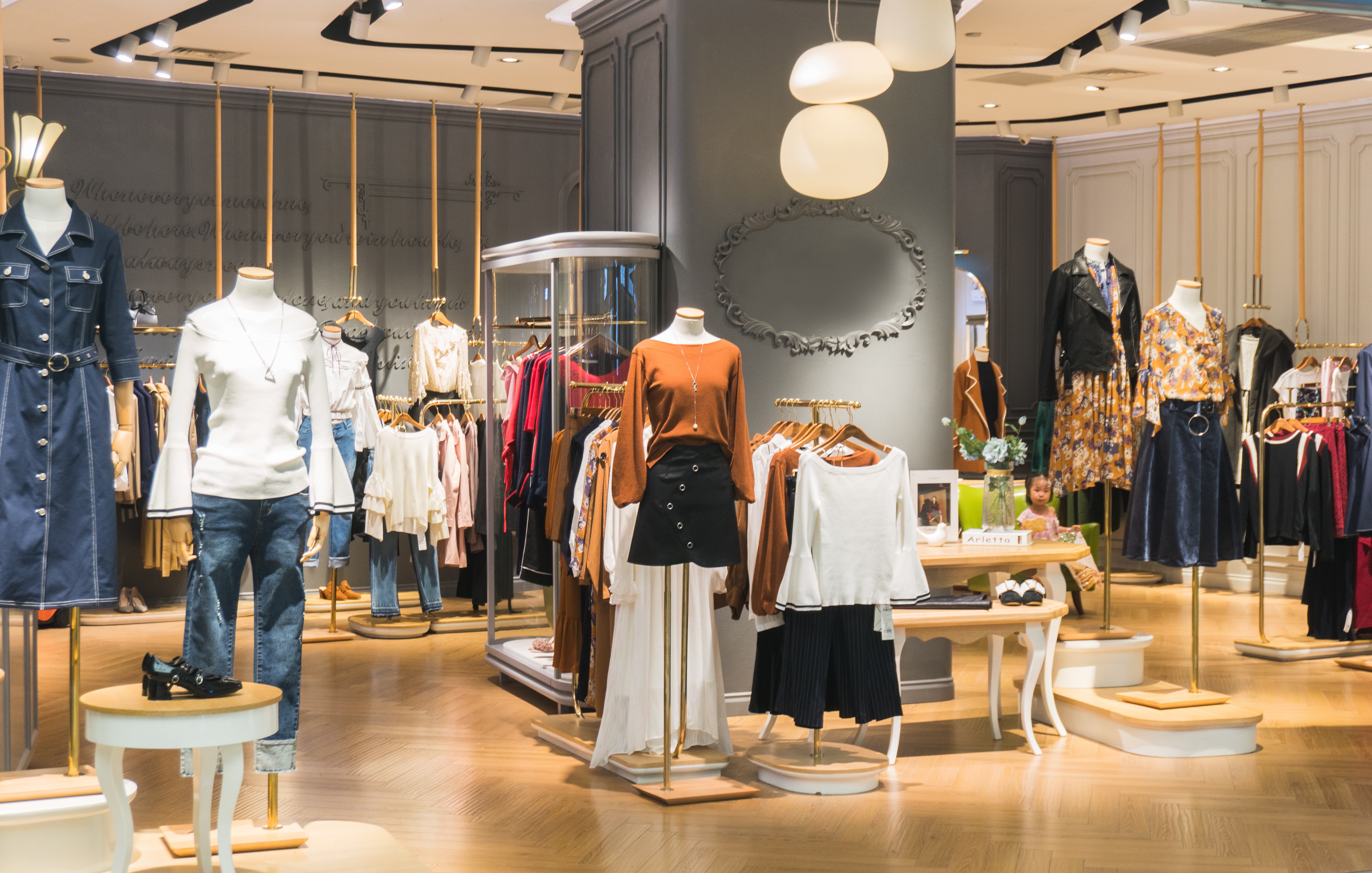
The leasing process begins with preliminary negotiations. First, entrepreneurs need to contact the shopping mall management office or agent to obtain a list of vacant shops. According to the Lands Department's Development Submission Guide, the lease must include terms for the approval of development proposals. During the negotiation phase, discuss the rental structure (such as basic rent plus a percentage of turnover), lease term, and rent-free decoration period. A typical lease term is 3-5 years, with renewal options. After signing the Letter of Intent (LOI), conduct due diligence, including checking the shop structure and utilities. Before the formal lease is signed, a deposit (usually 3 months' rent) and advance rent must be paid. The 2025 Policy Address mentioned a two-year pilot scheme to relax restrictions on shopping mall public spaces, which could provide more flexibility for outdoor decorations. For example, Henderson Land's shopping mall leasing process requires the submission of a business proposal to evaluate tenant suitability.
Drawing Approval Process Before Decoration
Most shopping mall management offices require tenants to submit detailed drawings and participate in approval meetings before starting work to ensure that the design complies with safety and aesthetic standards. According to the Buildings Department's Codes of Practice, decorations must comply with Building (Planning) Regulations, including barrier-free design and fire safety requirements. The approval time is usually 2-4 weeks, depending on the completeness of the drawings. The main requirements are as follows:
1. Decoration Layout Plan
- Includes overall layout, circulation planning, table and chair sizes, and number of seats. Catering shops must mark kitchen areas and waste disposal points.
- Must align with mall requirements, providing plumbing and electrical plans, ceiling plans, lighting plans, furniture plans, and drainage plans, etc. According to the Environmental Protection Department's Good Practices for Shopping Mall Decoration, drainage systems must be enclosed to reduce odours.
- In some cases, supplementary installation method explanations, such as engineering details for air conditioning connections, are required. The Savills guide notes that CAD format is the standard submission requirement.
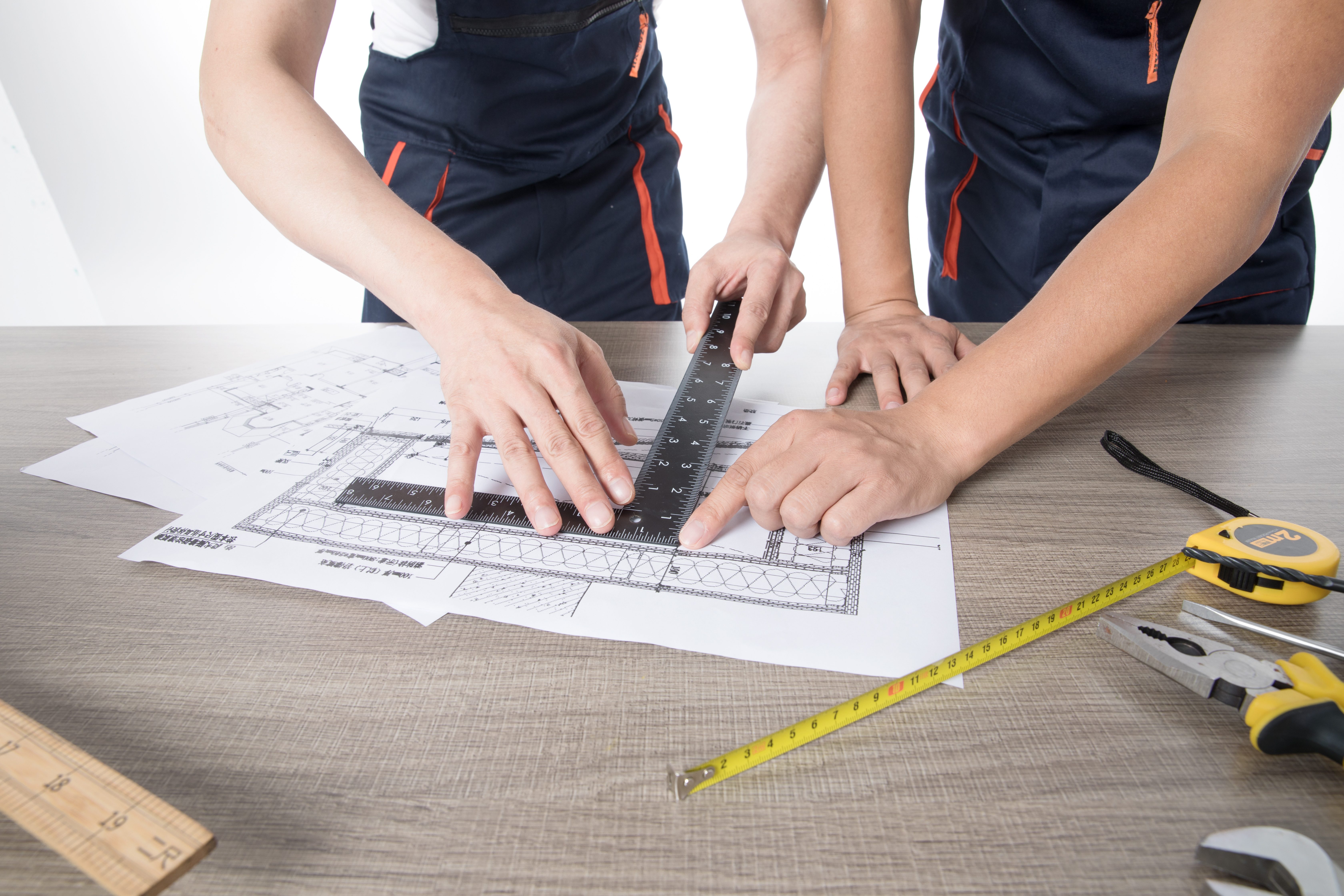
2. Shop Interior Elevation Plan
- Presented in CAD files showing multi-angle views, including front, side, and rear views.
- Clearly displays the specific placement of furniture and equipment; for example, shelf height must comply with barrier-free regulations (maximum 1.5 metres).
- Malls like Landmark require elevation plans to integrate brand logo designs to maintain overall style consistency.
3. 3D Renderings
- Present the overall storefront design and equipment layout, generated using software like SketchUp.
- Focus points must include front-view renderings of the storefront and interior renderings to help the mall management office intuitively understand the design intent.
- According to commercial property decoration guides, 3D plans can help identify potential conflicts, such as visual interference with neighbouring shops.
The approval meeting usually involves the mall's engineering department, design department, and tenant representatives. After the meeting, drawings may need to be modified and resubmitted. Catering shops need to extra-apply for a license from the FEHD, involving hygiene inspections. The platform can assist in preparing drawings to ensure compliance with the Hong Kong Planning Standards and Guidelines (HKPSG). For example, a typical case study shows that submitting incomplete drawings can delay opening by up to 1 month.

Key Considerations for Shopping Mall Decoration
During the decoration period, strict regulations must be followed to avoid non-compliance fines. According to Regulation 66 of the Building (Planning) Regulations, hoardings or covered walkways must not contain advertisements, except for building descriptions and the owner's name.
Hoarding Advertisement Regulations
During the decoration period, stickers must be posted on the hoardings, containing: shop name and number, and the estimated opening date. According to the Buildings Department's Practice Note ADV-12, commercial advertisements are prohibited on hoardings, but simple descriptions are allowed. There are two types of hoardings:
- Reusable hoardings provided by the mall, where only the stickers need to be removed after completion. This type of hoarding is commonly used in large malls like Harbour City, costing about HKD $5,000-10,000.
- Temporary hoardings that need to be dismantled along with the stickers, usually produced at the tenant's expense, and the material must be fireproof and durable. The 2025 Hong Kong advertising regulations emphasise that outdoor advertisements require the landlord's consent to avoid violating Lands Department terms. Professional companies like Bannershop provide custom hoarding services that integrate advertising elements while complying with regulations.
Nominated Contractor System
Malls usually require the use of nominated contractors for certain works, common items including: central air conditioning connections and ventilation systems, and suspended ceiling installation works. Other works, such as raised floors and exhaust systems, can generally be handled by the decoration team chosen by the tenant. According to commercial property decoration guides, tenants must ensure that contractors comply with material specifications, such as using fire-resistant wiring for electrical cabling. Confirming the scope of work and division of labour with the management office in advance is key to ensuring a smooth process. For example, Sun Hung Kai Properties' malls require air conditioning works to be handled by designated suppliers, with costs starting from approximately HKD $50,000. The Environmental Protection Department recommends enclosing decoration areas to reduce noise and odour impacts. The Arcadis cost handbook shows that nominated works account for 20-30% of total decoration costs.
Other matters include safety measures, such as installing temporary fire equipment, and waste management. Catering shops need to extra-install grease traps and smoke extraction systems to meet FEHD standards.

Practical Suggestions for Successfully Entering Shopping Malls
1. Communicate in Advance
- The mall management office, the tenant, and the decoration team must maintain close contact to clarify their respective responsibilities through meetings and written records. According to the Savills guide, regular meetings can reduce the number of modifications by up to 50%.
2. Choose the Right Decoration Team
- Matching a team with shopping mall decoration experience through a platform can effectively avoid common mistakes, accelerating the approval and construction progress. The team should hold relevant licenses, such as Registered Minor Works Contractors.
3. Familiarise Yourself with Mall Regulations
- Different malls have their own management guidelines; read the lease and decoration manual carefully to ensure design and construction comply with requirements. For example, Wharf malls emphasize the use of sustainable materials.
In addition, budget planning is crucial. Total decoration costs can reach HKD $500,000-1,000,000, depending on the size of the shop. Utilizing the government's pilot scheme to relax public spaces can expand outdoor display areas. Risk management includes purchasing decoration insurance and setting up contingency funds.
How Can the Platform Assist You in Opening Smoothly?
As a professional decoration service platform, we integrate rich resources and experience in opening shops in malls, providing you with: decoration team matching, process guidance, and resource integration. We have successfully assisted many shops in entering large malls such as Sun Hung Kai and Henderson, as well as various small and medium-sized malls, providing you with one-stop professional support from shop hunting and decoration to opening. Platform data shows that using one-stop services can shorten the opening time by 20%.
Preparing to open a shop in a mall? Welcome to contact the platform for a free consultation to get exclusive decoration team recommendations and opening planning advice!
In conclusion, entering a shopping mall to open a shop requires systematic planning of the leasing process and decoration approval. Combining official regulations and professional support is the key to success. With policy optimization, there are more opportunities, and entrepreneurs should act early.