[Smart Office] Creating the Future Workspace: 5 Major Trends in Office Technology Design
With the rapid evolution of technology, Hong Kong office design is moving towards a smart era. According to JLL's 2025 Market Outlook, the smart office systems market is expected to grow significantly by 2033, with an emphasis on AI, IoT, and sustainability. Businesses are pursuing flexible and efficient work environments to adapt to hybrid working models, enhancing employee productivity and well-being. This article explores five major trends to help you create the workspace of the future. The content is based on 2025 reports from JLL, Accio, and Deloitte, providing a reliable basis covering AI integration, hybrid working, IoT devices, sustainability, health and well-being, automation systems, biophilic design, data analytics, green certifications, future of work, employee satisfaction, cost savings, the Hong Kong market, and technology trends. In Hong Kong's high-density business environment, these trends not only optimise space but also address manpower shortages and environmental pressures, with smart office investments expected to grow by 15%, bringing long-term business value.
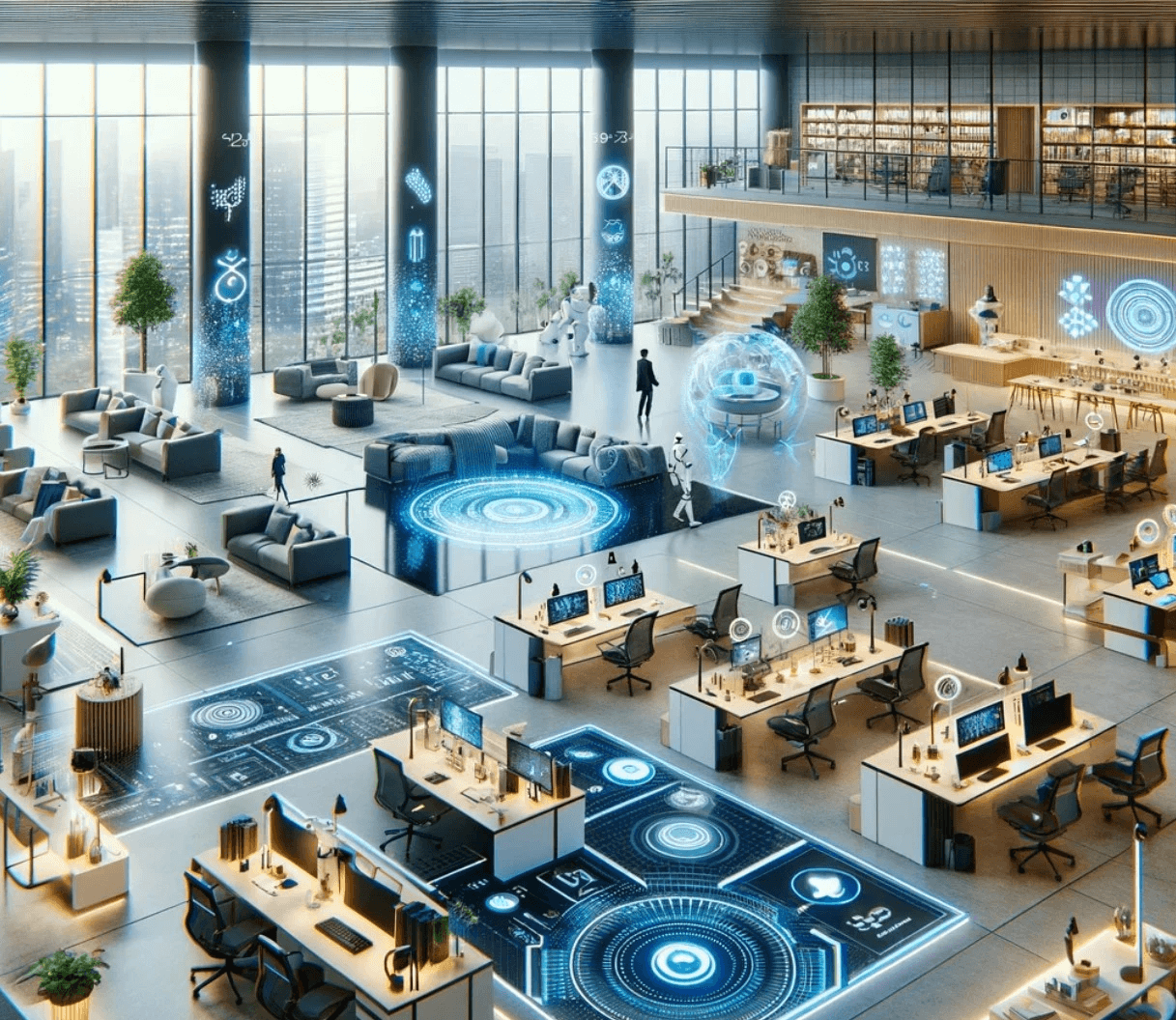
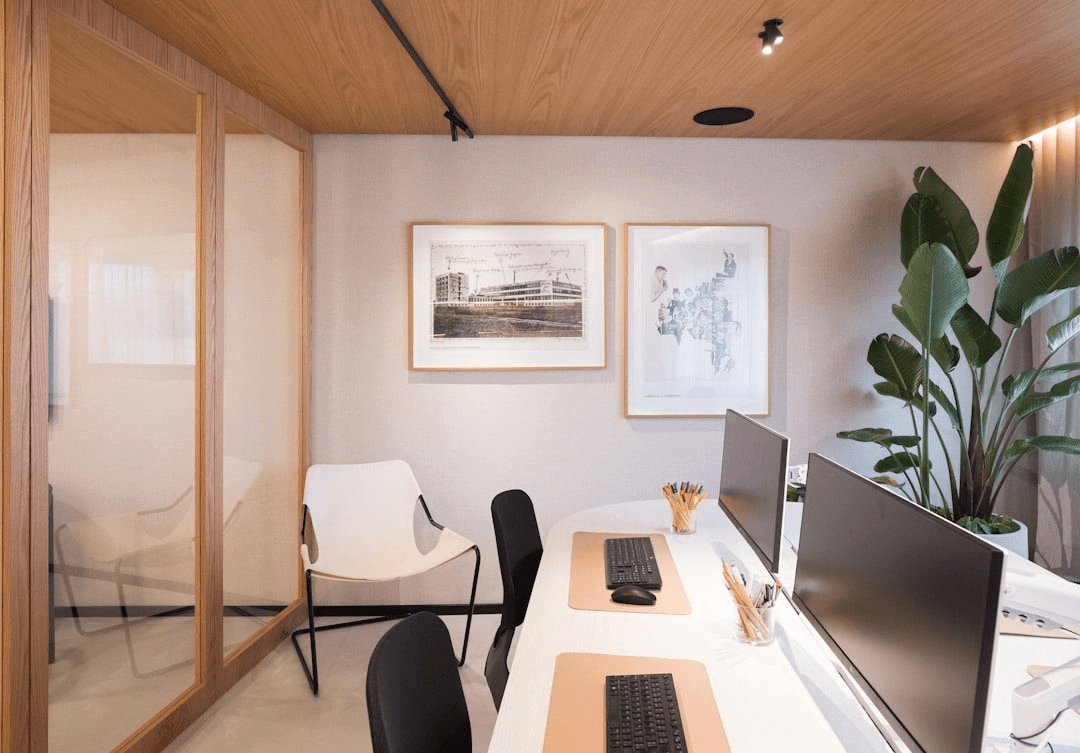
Conceptual Diagram of a Smart Office
Trend 1: AI and Automation Integration
AI is becoming the core of the office, automating daily operations such as space management and decision-making. For instance, AI systems can analyse employee usage patterns to automatically adjust lighting, air conditioning, and meeting room bookings, reducing energy waste by up to 20%. In Hong Kong, businesses adopting AI-driven collaboration platforms (such as Slack or Microsoft Teams) can enhance the efficiency of remote teams. This trend not only optimises resources but also supports predictive maintenance, ensuring stable equipment operation. According to McKinsey's 2025 report, AI applications in the workplace have matured, with nearly all companies investing in AI, though only 1% have reached maturity, highlighting that AI agents can plan and act autonomously to boost productivity. In automation systems, AI integrates with BMS (Building Management Systems) to predict peak periods through data analytics, adjusting resource allocation. A Hong Kong case study, Harbour City Office Towers, uses AI to monitor occupancy and optimise energy, saving costs by 10-15%. This trend also covers data analytics, with AI processing IoT data to provide insights such as employee behavior patterns, helping designers optimise layouts. Predictions show that by 2025, AI will dominate office design, bringing agility and innovation. When implementing, data privacy must be considered to comply with the Hong Kong Personal Data (Privacy) Ordinance, ensuring system security. In conclusion, AI and automation not only enhance efficiency but also shape the future of work.
Trend 2: Hybrid Working Model Design
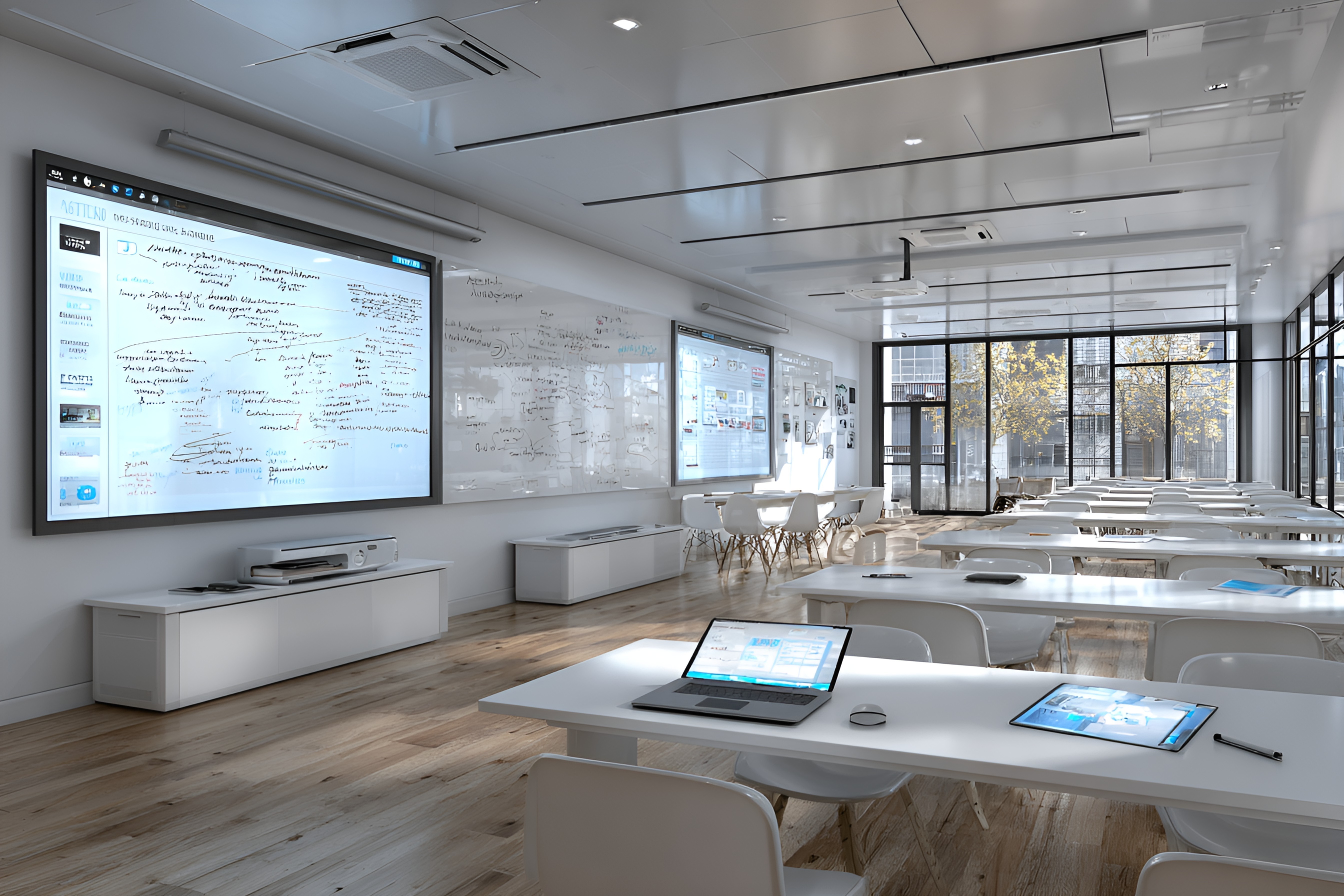
With the rise of hybrid working, design must support seamless switching between remote and on-site work. Flexible spaces with modular furniture and movable partitions allow meeting rooms to transform into focus areas. Hong Kong businesses value technology integration, such as video conferencing systems and cloud tools, to facilitate seamless collaboration. This design enhances employee satisfaction, with research showing it can increase productivity by 15%. According to Gallup's 2025 report, the hybrid working model has stabilised, with 24% of US roles being hybrid, a trend similar in Hong Kong, sustained since the pandemic. In the Hong Kong market, Deskimo predicts that smart offices will become mainstream in 2025, incorporating IoT lighting and climate control to support agile working. Modular design allows for rapid reconfiguration, combining with cloud platforms like Zoom to ensure barrier-free remote participation. Employee satisfaction improves due to flexibility, reducing absenteeism by 20%. In terms of cost savings, the hybrid model reduces space requirements, with rent savings expected to reach 15%. Implementation recommendations include using data analytics to track usage rates and adjust layouts. In short, this trend is reshaping the future of work, emphasizing balance and efficiency.
Trend 3: IoT and Smart Devices
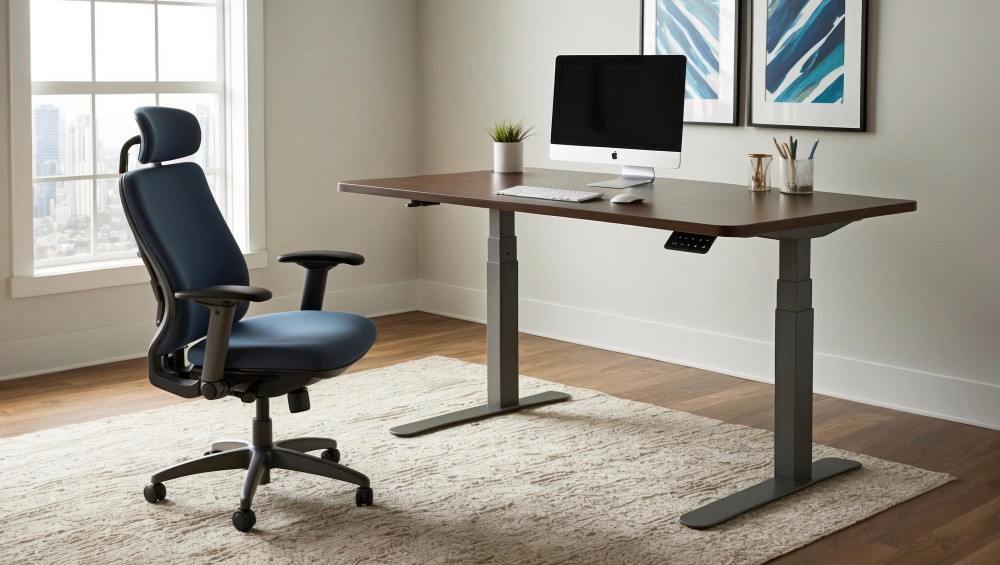
The popularity of IoT devices, such as smart desks and sensors, enables contactless access and real-time monitoring. For example, touchless door locks and air quality sensors enhance safety and health. In Hong Kong's high-density office environment, this technology can optimise space utilisation and reduce congestion. By integrating data analytics, businesses can predict peak periods and adjust layouts. According to IoT Analytics' 2025 report, the global number of connected IoT devices has reached 21.1 billion, a growth of 14%, and is expected to reach 39 billion by 2030. In smart offices, IoT integrates with HVAC systems to automatically adjust temperatures, saving energy by 20%. A Hong Kong case study shows commercial buildings using IoT to monitor air quality, meeting the standards of the Environmental Protection Department. Green certifications such as BEAM Plus encourage IoT applications, raising building ratings. Data analytics derives behavioral insights from IoT data to optimise design. Predictions indicate that in 2025, IoT will dominate offices, bringing cost savings and employee well-being. During implementation, safety must be prioritised to prevent hacking. In conclusion, IoT transforms offices into smart ecosystems.
Trend 4: Sustainability and Biophilic Design
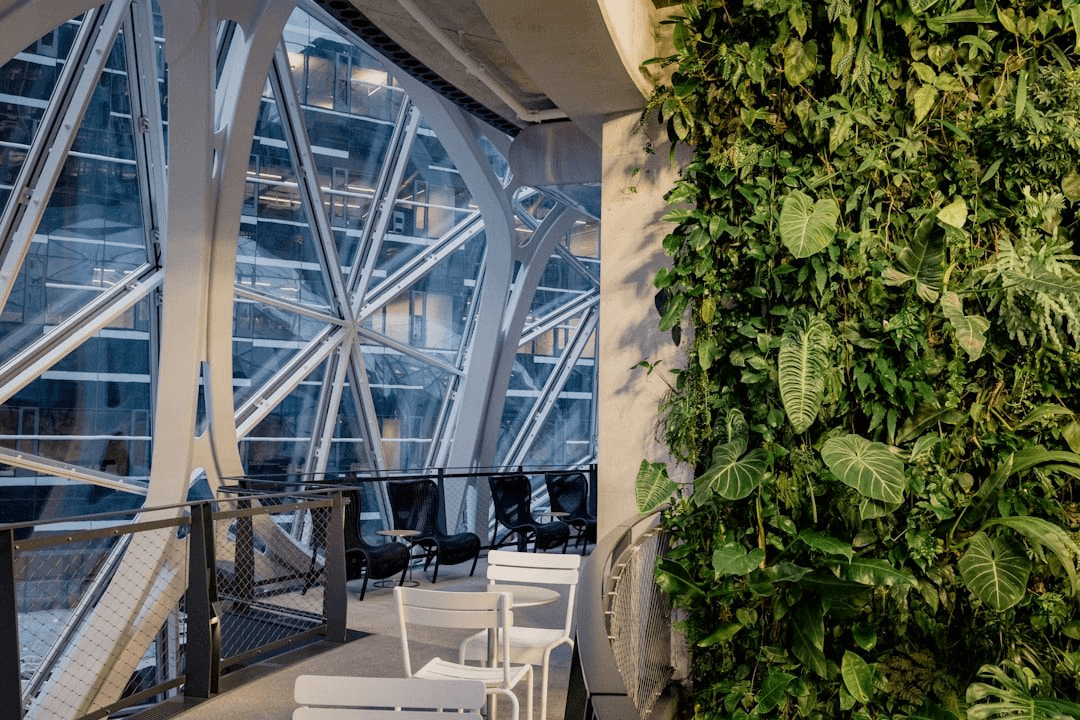
Environmental protection is becoming a key focus, incorporating biophilic elements like green walls and natural light. Smart buildings use energy-efficient LEDs and recycled materials to lower their carbon footprint. Hong Kong companies are pursuing green certifications to enhance brand image and attract talent. This trend combines technology, such as AI-controlled energy systems, with expected cost savings of 10-15%. According to Decorilla's 2025 Office Trends Report, biophilic design dominates, using natural materials to enhance well-being. In Hong Kong, JLL's outlook emphasizes the integration of sustainable design with branding, visually showcasing eco-friendly certifications. Biophilic design, such as vertical gardens, reduces stress by 15% and improves productivity. Green certifications like LEED save energy and attract investment. Cost savings are achieved through AI-optimised resources. Implementation recommendations include natural light design and the use of recycled materials. In short, this trend balances environmental protection with functionality, shaping a sustainable future.
Trend 5: Health and Well-being Technology
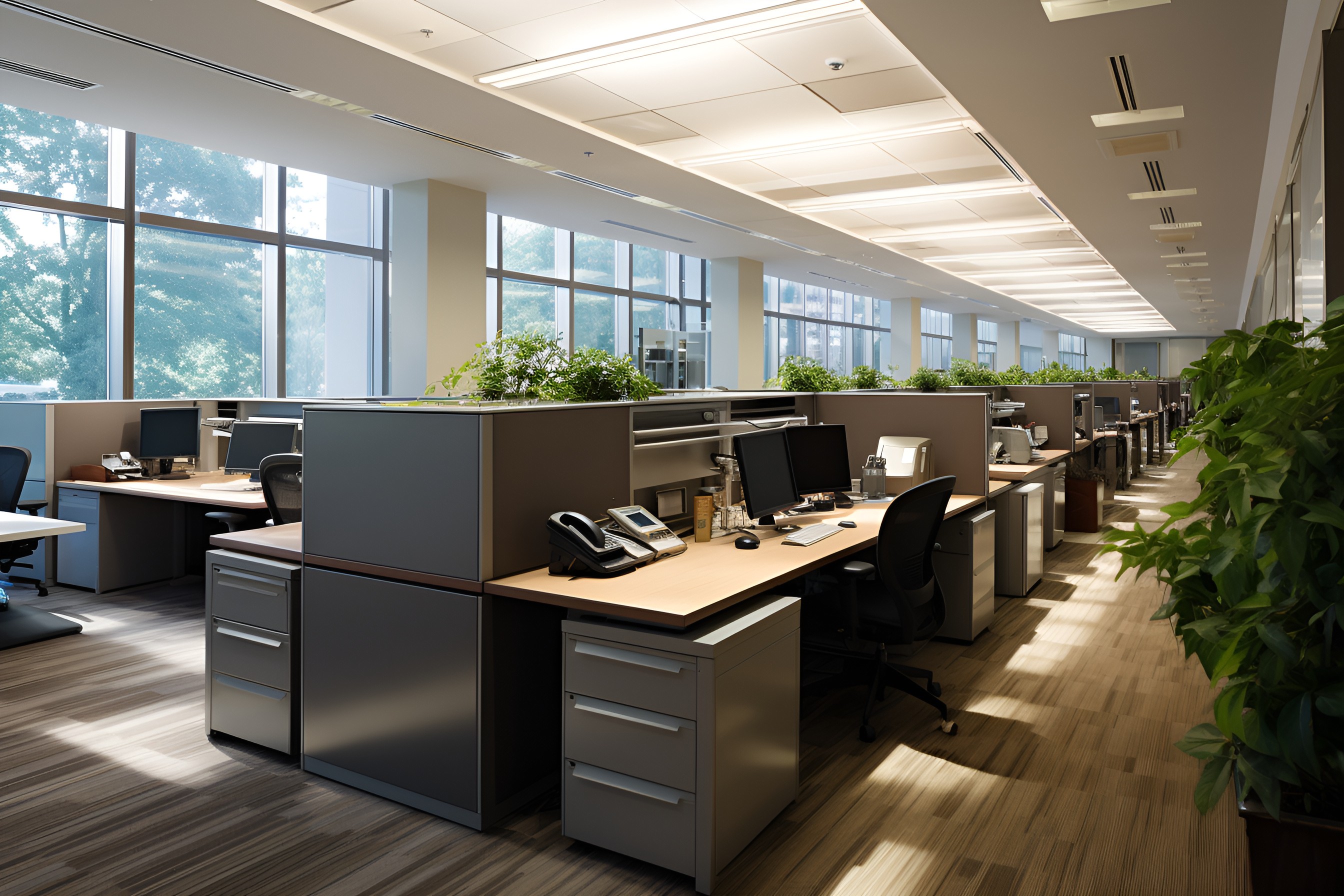
Focusing on employee well-being, health monitoring technologies such as wearables and stress-management apps are being introduced. Office design includes relaxation areas and smart lighting that mimics natural light to improve mood. In Hong Kong, spaces that consider women's health and childcare are emerging. This trend improves retention rates, with research showing healthy environments can reduce absenteeism by 20%. According to the Global Wellness Institute's 2025 report, workplace well-being trends emphasise strategic integration to boost productivity. In Hong Kong, office design incorporates health elements such as quiet meditation rooms and wearable tech to monitor stress. Employee satisfaction increases due to the focus on well-being, lowering turnover. Cost savings are achieved by reducing absenteeism. Implementation recommendations include air quality monitoring and relaxation areas. In short, this trend is people-centric, strengthening corporate culture.

Hong Kong Market and Technology Trends
Hong Kong's smart office market is booming, with investment growth in 2025, dominated by IoT and AI. The future of work emphasises agility, with the hybrid model becoming widespread. Data analytics helps optimise, and green certifications enhance value. Employee satisfaction and cost savings are key indicators.
These trends help Hong Kong enterprises build smart workspaces, enhancing competitiveness. When implementing, it is recommended to collaborate with professional designers to ensure compliance and practicality.