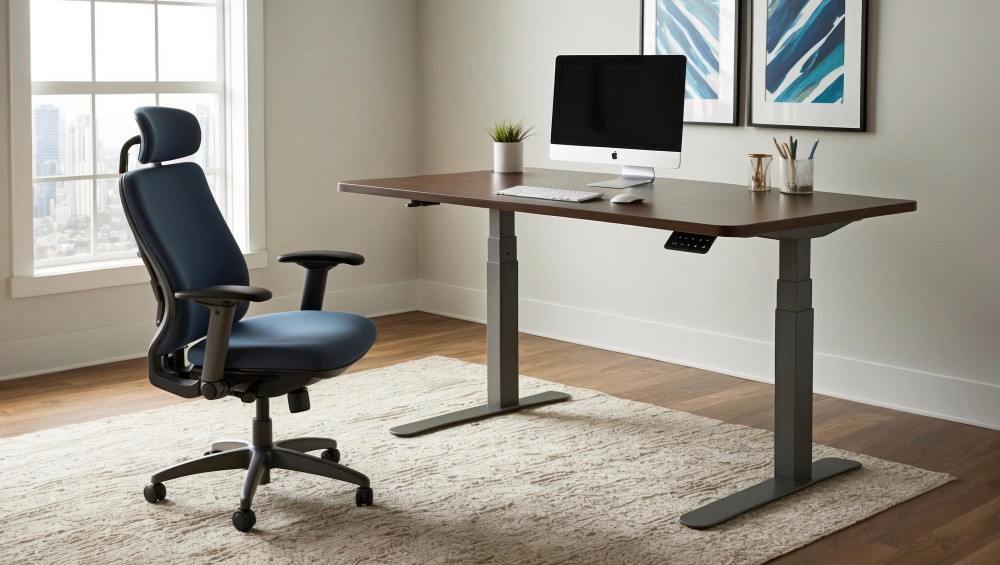
How to choose office flooring? Ceramic tiles vs. wood flooring vs. carpet tiles—a full comparison of durability, maintenance, and cost
The floor is the largest decorative surface in an office. The selection of materials determines the spatial visual style, footstep noise, daily cleaning difficulty, and long-term maintenance costs. The three major flooring solutions commonly used in Hong Kong offices—porcelain tiles, wood flooring (laminate/SPC), and carpet tiles—each have distinct applicable scenarios and cost structures.
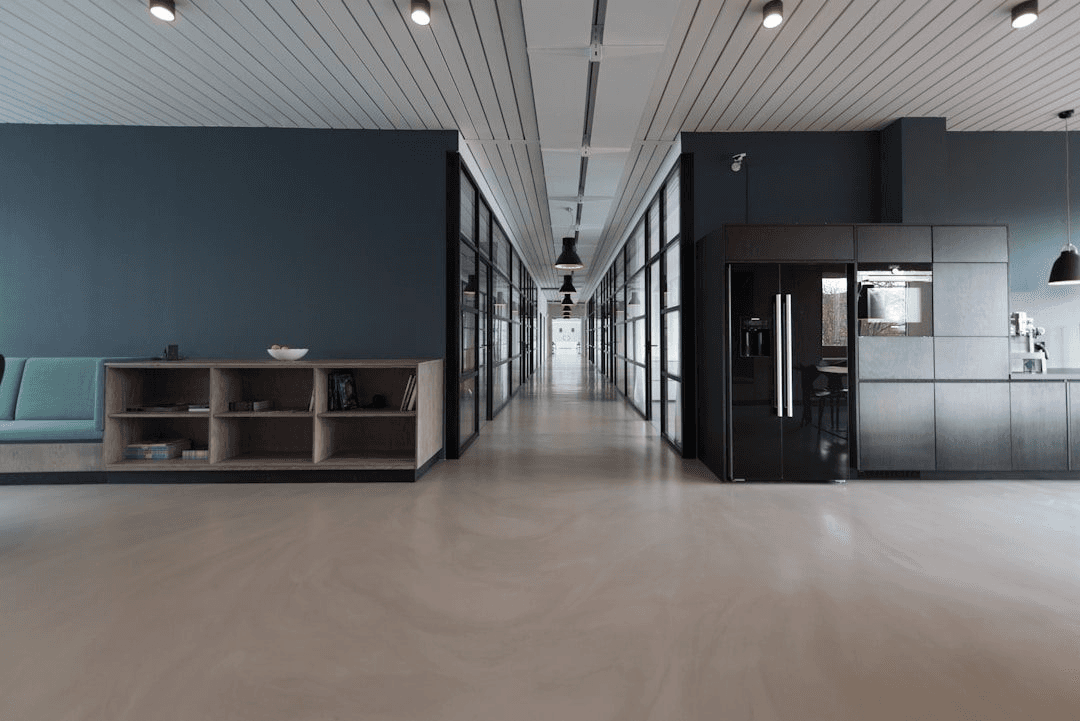
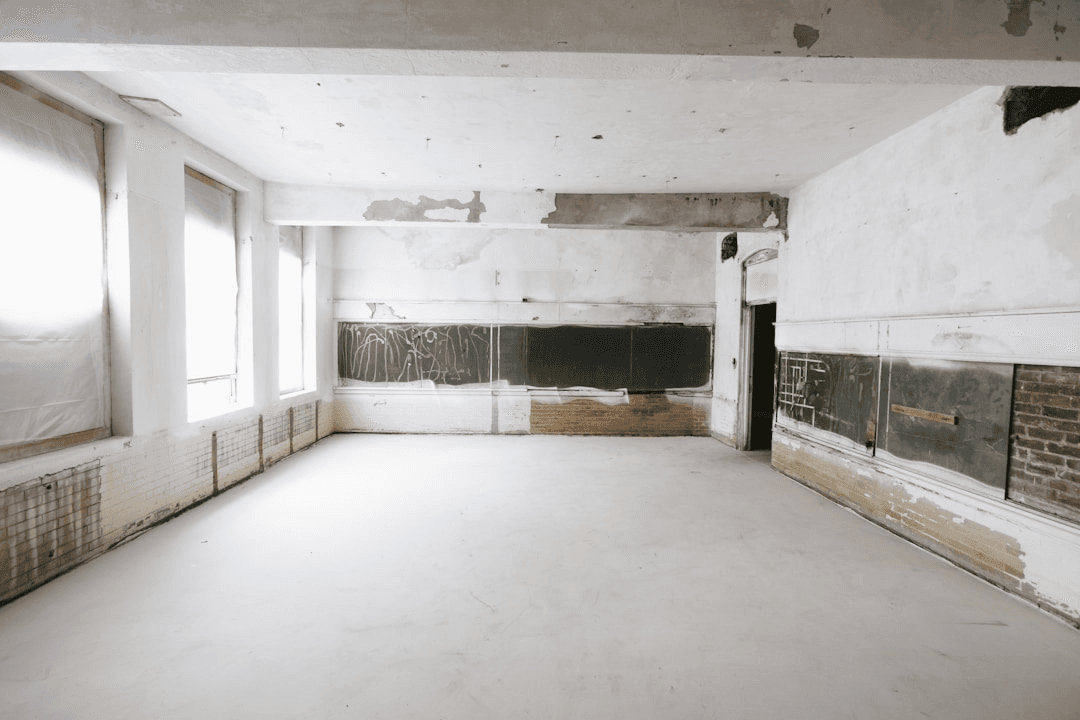
Office Flooring Material Selection—Determining Spatial Style and Daily Maintenance Costs
1. Flooring Material Comparison Table
Item | Porcelain Tiles | Laminate/SPC Wood Flooring | Carpet Tiles |
Cost (Supply & Installation) | $60–$150/sq. ft. | $50–$120/sq. ft. | $35–$80/sq. ft. |
Lifespan | 20+ years | 8–15 years | 5–10 years (partially replaceable) |
Water Resistance | Excellent | SPC excellent, laminate average | Poor (not suitable for wet areas) |
Footstep Noise | Hard, louder footsteps | Moderate | Excellent, good sound absorption |
Applicable Spaces | Entrance, Pantry, Restrooms | Executive Offices, VIP Rooms | Open Office Areas, Meeting Rooms |
2. Porcelain Tiles: The Inevitable Choice for Entrances and Wet Areas
Porcelain/Ceramic tiles are the standard material choice for office pantries, restrooms, and entrance lobbies in Hong Kong. With a lifespan of over 20 years and excellent water resistance, daily cleaning only requires wiping, with no waxing or regular maintenance needed.
Specification options: For entrance lobbies, 600×600mm or 800×800mm large tiles are recommended for a strong sense of visual extension; for pantries, 300×300mm slip-resistant tiles (R9 or R10 slip-resistance rating) are advised; for corridors, slender tiles can be used to coordinate with directional flow.
Disadvantages: Porcelain tiles have a hard texture, resulting in louder footstep noise; if the concrete subfloor is uneven, tiles may experience hollow sounds or crack later on. Floor levelling must be confirmed to be done properly during construction.
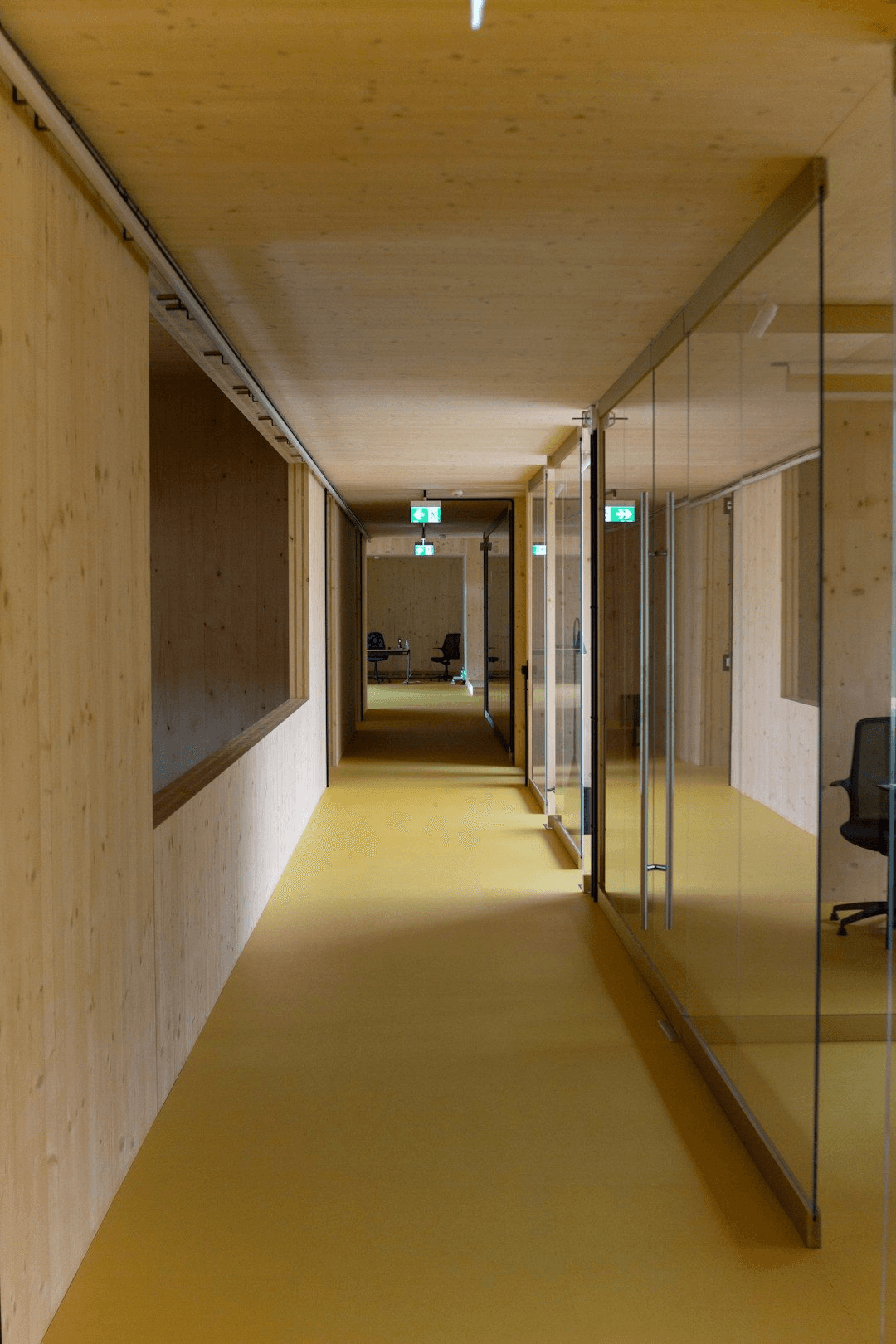
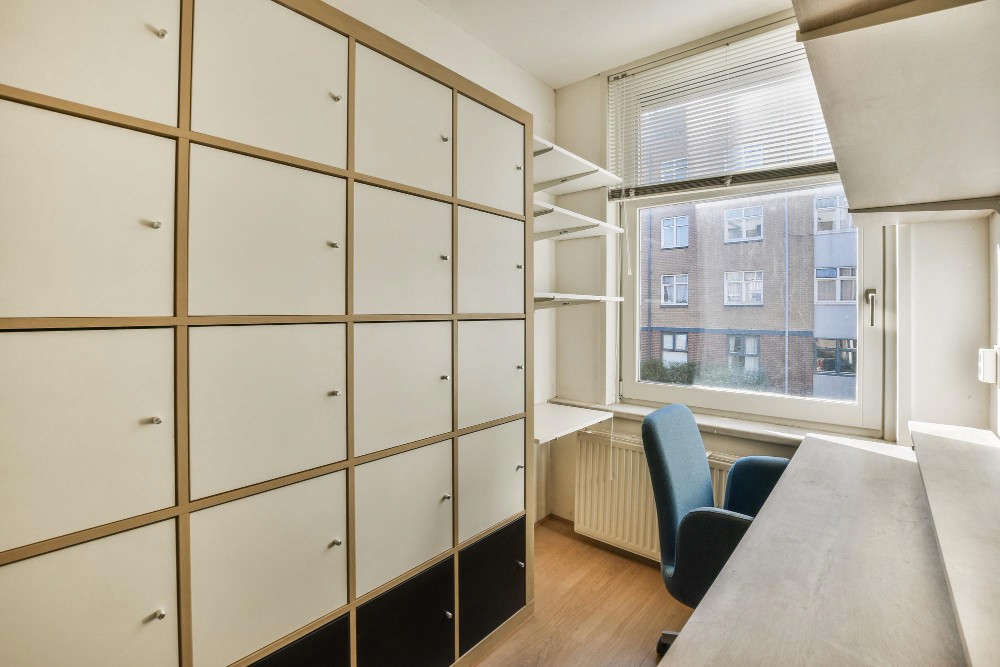
Office Carpet Tiles—The Preferred Choice for Sound Absorption and Comfort in Open Office Areas
3. Laminate Wood Flooring vs. SPC Flooring
Laminate Flooring uses compressed wood fiberboard as its core material with a wear-resistant wood grain imitation layer on the surface. It is a common choice for executive rooms in offices, offering a warm visual feel but is sensitive to water and moisture, making it unsuitable for areas prone to water stains.
SPC Flooring (Stone Plastic Composite) is an emerging material in recent years. With stone powder and PVC as its base, its water-resistance performance is equal to porcelain tiles. The wood grain effect on the surface is realistic, and the installation does not require subfloor underlayment (direct installation), significantly shortening the construction period. The cost is close to laminate wood flooring, but the performance is superior to laminate flooring, making it the primary flooring choice promoted by BW Design Centre in office renovations in recent years.
SPC Flooring construction precautions: Ensure the subfloor is level (deviation within 3mm/3m), and expansion joints must be reserved in spaces with large temperature differences. Some SPC products come with a quiet underlayment layer for even lower footstep noise.
4. Carpet Tiles: The Practical Preferred Choice for Large Office Areas
Carpet Tiles are the most widely used flooring solution in large open office areas in Hong Kong. The biggest advantage is that individual tiles are replaceable—if a certain tile is damaged or stained, there is no need to renovate the entire office floor; replacing that specific tile is sufficient, significantly reducing long-term maintenance costs.
Specification standards: The mainstream in the Hong Kong market is 500×500mm squares, laid over an access floor base to facilitate future cable replacement. Excellent sound absorption performance significantly reduces footstep noise and sound reflection in office areas, making it suitable for noise-sensitive environments such as telephone customer service and financial trading.
Key purchasing factors: Confirm the pile height (standard 3–5mm), material (nylon has the best durability, while 80/20 wool-nylon blend offers excellent cost-effectiveness), and soil-release treatment grade of the carpet tiles. Problems with cheap carpet tiles often appear after 2–3 years, such as uneven color and pilling.
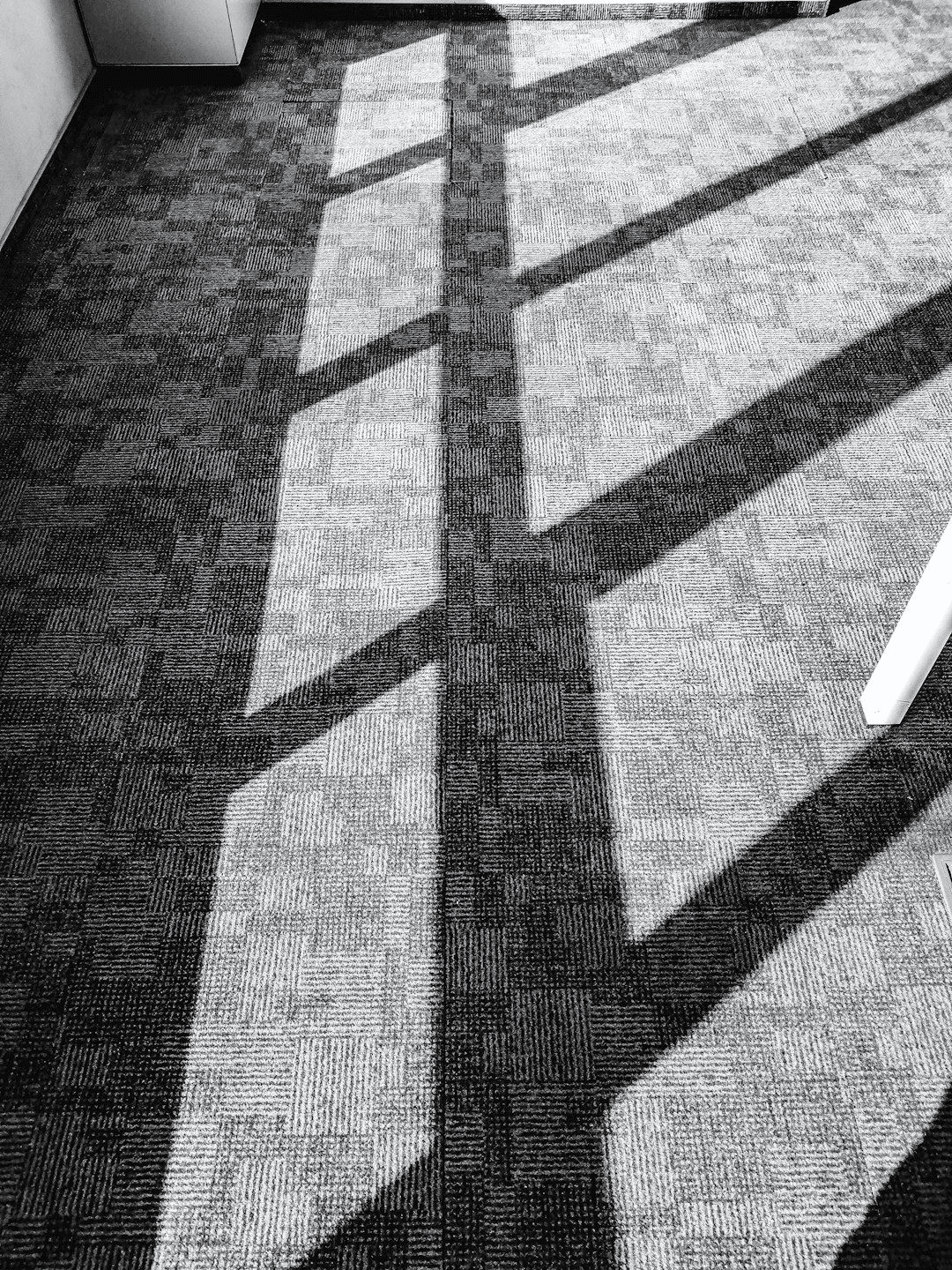
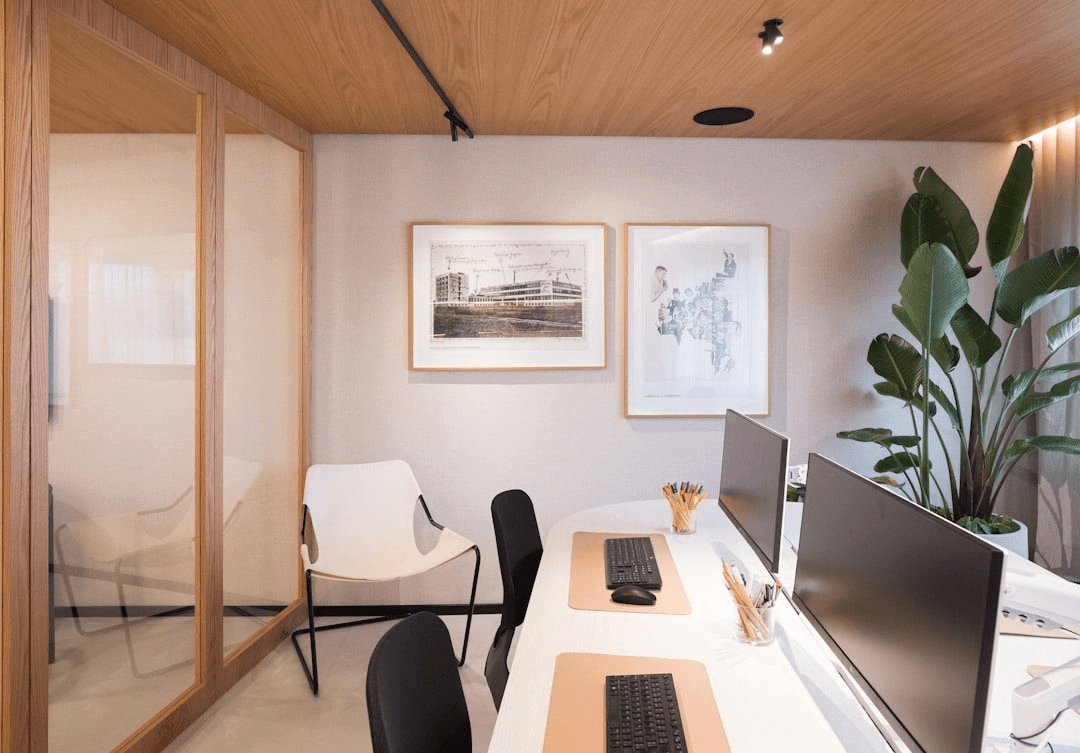
Modern Office—Flooring Material Matching Strategy
5. Hybrid Flooring Strategy: Zonal Material Allocation
The best office flooring solution is often a hybrid strategy rather than a single material:
・Entrance Lobby/Pantry: Porcelain tiles (durable, easy to clean)
・Open Office Area: Carpet tiles (sound-absorbing, comfortable, easy to maintain)
・Executive Office/VIP Room: SPC wood flooring (visually warm, waterproof)
・Corridor: Porcelain tiles or carpet tiles (depending on the overall design style)
The treatment of transition strips between different materials is extremely important. Opting for metal transition strips of the same color scheme as the main materials ensures the transition is smooth and not abrupt. BW Design Centre marks material interface details in the construction drawings of every project to ensure the finished effect aligns with the design drawings.