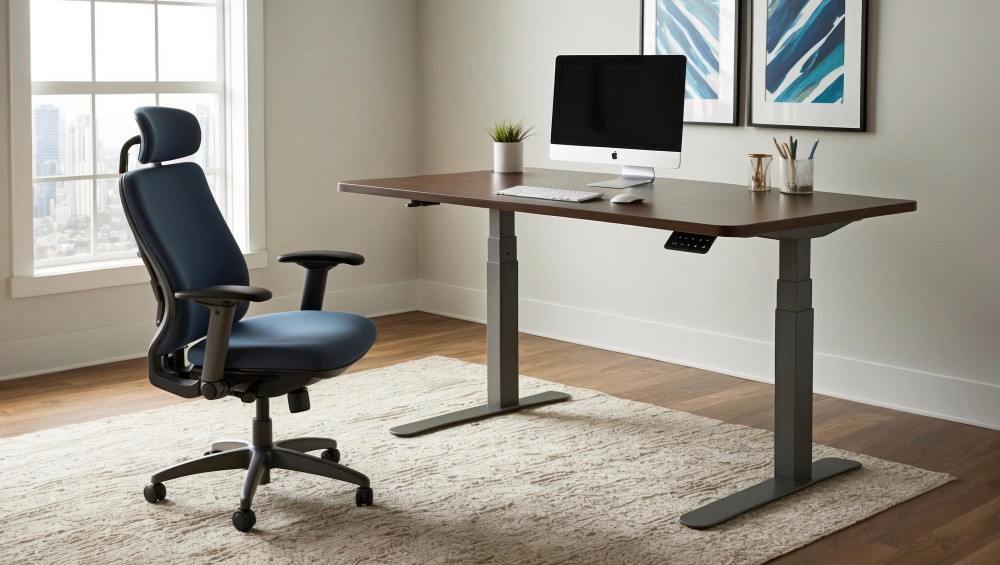
Office Formaldehyde Removal Guide: How Long to Wait Before Moving in After Renovation? Hong Kong Empirical Data Analysis
Upon completion of office renovation, the volatilisation of formaldehyde directly affects employee health and move-in timelines. The indoor air quality recommended standards from the Occupational Safety and Health Council (OSHC) of Hong Kong, along with international TVOC (Total Volatile Organic Compounds) standards, serve as the scientific basis for enterprises to assess whether it is safe to move in. This article provides practical guidance ranging from formaldehyde sources to testing standards.

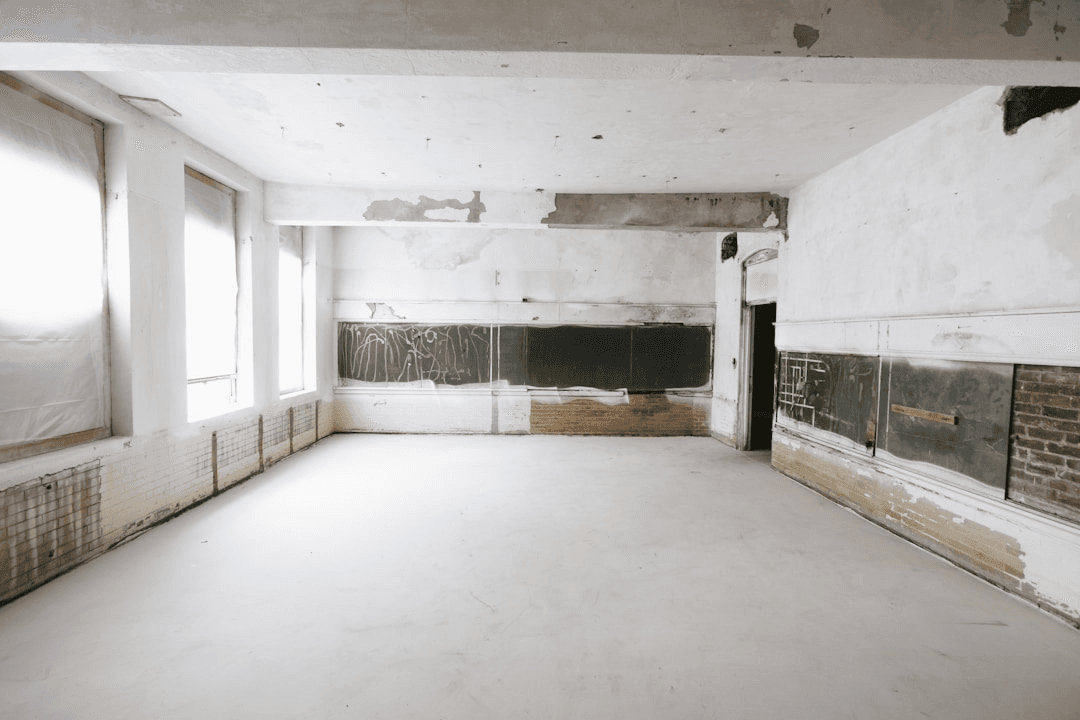
Office Air Quality Post-Renovation — Formaldehyde Control is the First Line of Defence for Employee Health
1. Main Sources of Formaldehyde in Offices
Formaldehyde does not originate from a single source; formaldehyde after office renovation mainly comes from the following aspects:
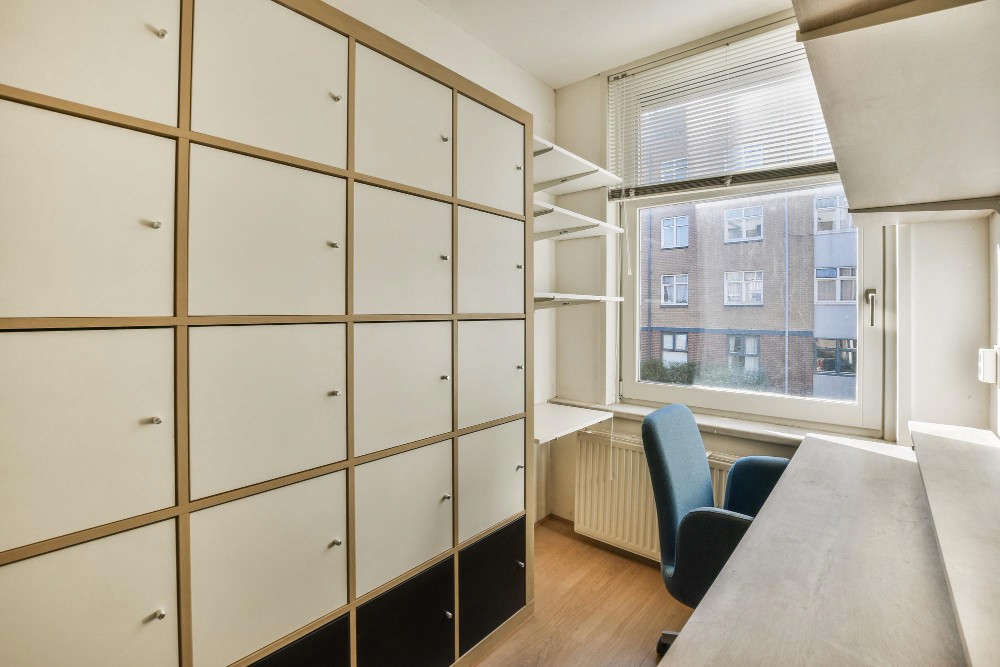
Wood boards (the main source): Man-made boards (MDF, particle board, plywood) used in custom millwork (filing cabinets, storage walls, workbenches) use urea-formaldehyde resin (UF Resin) as an adhesive, which is the largest single source of formaldehyde in offices. The formaldehyde emission rate of wood boards is classified by E-grades (E0/E1/E2), where E0 is the lowest, and E1 is the commonly used standard in the Hong Kong market.
Furniture and flooring: Foam and fabrics of office chairs, carpet tile adhesives, and core materials of laminate flooring may all contain formaldehyde.
Paint and glue: Some latex paints, glass sealants, and flooring adhesives contain VOCs (Volatile Organic Compounds), which work synergistically with formaldehyde to affect air quality.
2. Indoor Air Quality Standards for Offices in Hong Kong
The Environmental Protection Department's "A Guide on Indoor Air Quality Management for Offices and Public Places" in Hong Kong stipulates:
Formaldehyde: Excellent Class ≤ 30 μg/m³ (8-hour average), Good Class ≤ 100 μg/m³
TVOC (Total Volatile Organic Compounds): Excellent Class ≤ 200 μg/m³, Good Class ≤ 600 μg/m³
Carbon Dioxide (CO₂): Good Class ≤ 1,000 ppm (under normal office conditions)
Many newly renovated offices can have formaldehyde concentrations reaching over 300–1,000 μg/m³, requiring effective ventilation and dissipation before safety standards can be met.

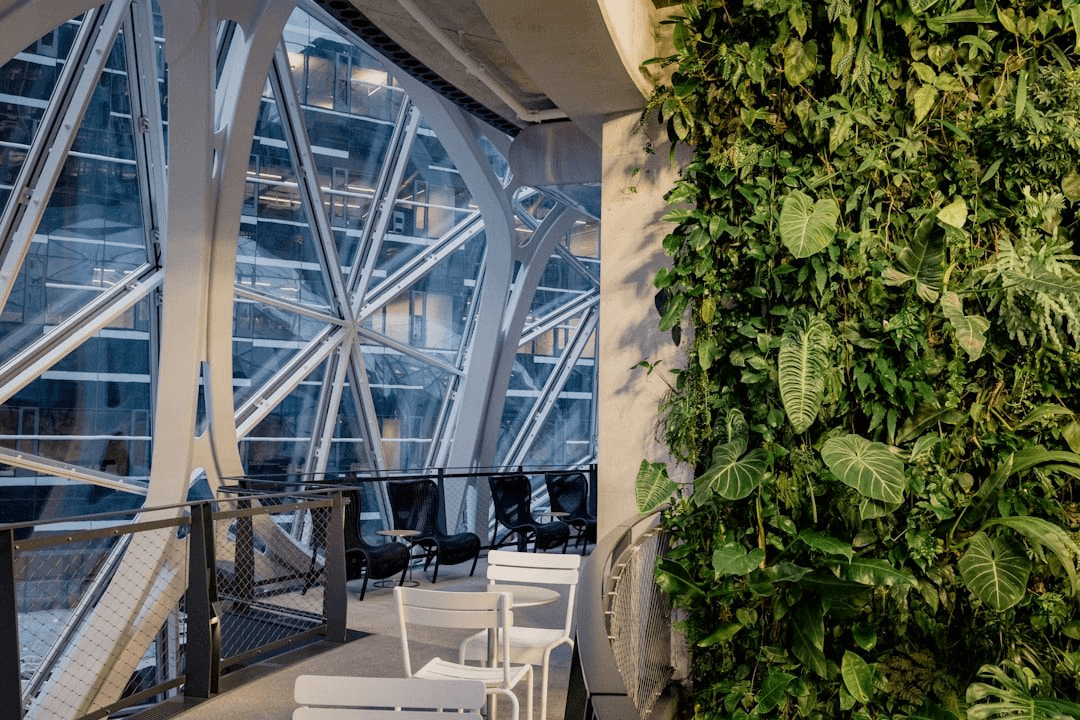
Office Ventilation Design — Effective Air Exchange is Key to Accelerating Formaldehyde Dissipation
3. How Long After Renovation Can You Move In?
The rate of formaldehyde volatilisation is affected by temperature, humidity, and ventilation volume. It volatilises faster in Hong Kong's summer (high temperature and high humidity) and slows down significantly in winter (low temperature and low humidity).
General reference timelines:
・Using E1 boards + standard ventilation (24 hours): 2–4 weeks post-renovation, formaldehyde usually drops below the Good Class
・Using E0 boards + ample ventilation (continuous air conditioning): 1–2 weeks post-renovation, can reach Excellent Class
・Using a large amount of custom millwork + sealed space: May take 4–8 weeks, requiring actual testing to confirm
Important Note: The above is a reference range. The actual time to meet standards varies greatly due to the amount of boards used, room size, and ventilation efficiency. It is recommended to conduct third-party indoor air quality testing before moving in, rather than relying on a "day count".
4. Effective Methods to Accelerate Formaldehyde Dissipation
Method 1: Continuous High-Intensity Ventilation
After renovation is completed, open all doors, windows, and air conditioning to maintain maximum air exchange for 48–72 hours continuously. Cross-ventilation multiple times a day (opening windows to create a draft) is more effective than solely turning on the air conditioning.
Method 2: High Temperature to Accelerate Volatilisation
High temperatures in summer help accelerate the volatilisation of formaldehyde. If moving in during winter, the office temperature can be raised to 30–35°C during unoccupied periods (weekends) to accelerate release, followed by thorough ventilation, repeated several times.
Method 3: Using Activated Carbon for Adsorption
Activated carbon packs have a certain adsorption effect on low concentrations of formaldehyde, making them suitable for the later stages of continuous low-level release, but they cannot replace ventilation as the primary method.
Method 4: Professional Photocatalyst Spraying Services
Photocatalysts (TiO₂) can decompose formaldehyde when activated by light. This is suitable as an auxiliary treatment after ventilation, with professional service companies in the Hong Kong market providing it at a cost of approximately $0.3–$0.8/sq. ft.
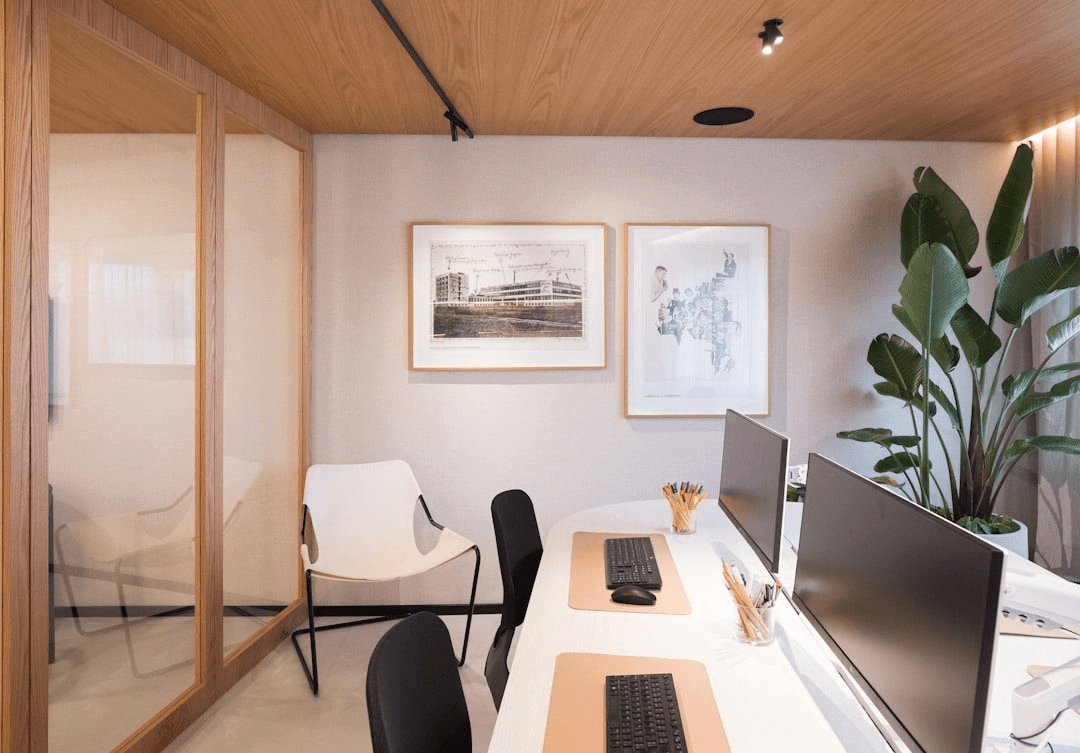
Healthy Office Environment — Material Selection Standards Determine Post-Occupancy Air Quality
5. BW Design Centre's Material Selection Control Standards
Controlling formaldehyde at the source is much more effective than removing it after moving in. BW Design Centre's wood material procurement standards: prioritises the use of E0 or E1 grade boards, with ungraded boards being unacceptable; latex paints with low-VOC formulas are selected; water-based formulas are used for flooring adhesives to reduce VOC emissions.
In addition, BW Design Centre provides free post-renovation air quality advice to assist clients in determining whether ventilation is sufficient. If needed, we can refer certified third-party air quality testing institutions to ensure the health and safety of employees upon moving in.