The wabi-sabi style beauty salon is here! A healing atmosphere with natural wooden furniture, a favourite among busy Hongkongers
In space-starved Hong Kong, which is rife with noisy streets, a frantic commuting pace, and endless work pressure, an aesthetic style originating from Japan—Wabi-Sabi—is quietly changing the landscape of Hong Kong's beauty retail spaces, offering a tranquil oasis of healing for exhausted urbanites. Wabi-Sabi-style beauty shops, with their natural wooden furniture, rustic design elements, and meditative atmospheres, are becoming a favourite among busy Hong Kong office workers. This emerging retail experience reflects a deep yearning among modern city dwellers for slow living, healing, and inner balance.
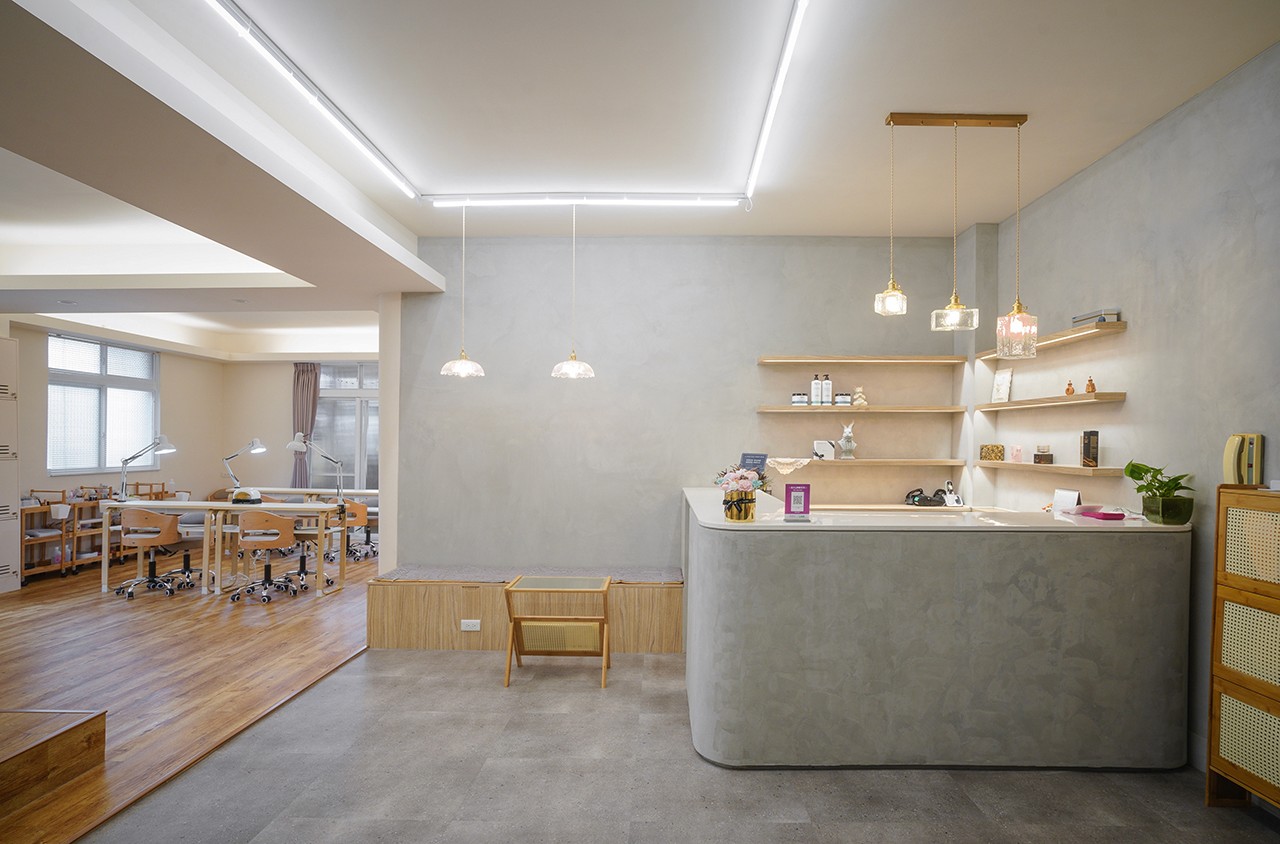
Image source: Design Want
Wabi-Sabi: From Japanese Zen to Global Aesthetic
The Origin and Philosophical Meaning of Wabi-Sabi
Wabi-Sabi is a profound Japanese aesthetic philosophy. Its roots can be traced back to the 15th century, heavily influenced by Zen Buddhist thought. "Wabi" signifies emptiness, simplicity, and a quiet, solitary lifestyle, while "Sabi" symbolises impermanence, decay, and the passage of time. The combination of these two words forms a unique aesthetic concept: accepting the fleeting and imperfect nature of life, and transforming flaws into expressions of beauty.
Throughout the development of Japanese culture, Wabi-Sabi gradually expanded from the tea ceremony culture to garden design, architecture, flower arrangement, and the choice of everyday utensils, becoming the core spiritual symbol of traditional Japanese culture. In stark contrast to Western aesthetic standards that pursue perfection, symmetry, and glittering opulence, Wabi-Sabi emphasises the philosophical wisdom of accepting imperfections and embracing impermanence. As Zen master Daisetsu Teitaro Suzuki said: "Incomplete forms and flawed things are more capable of expressing the spirit. Because forms that are too perfect easily draw attention to the form itself, neglecting the internal reality."
Application of Wabi-Sabi Style in Modern Retail
In recent years, Wabi-Sabi style has stepped out of traditional Japanese culture to become an international design trend. The reason behind this shift is that modern people globally increasingly long to return to nature and pursue inner peace, reflecting on endless consumerism and materialism. The Kyoto branch of Blue Bottle, the famous American hipster coffee brand, is a classic example of applying Wabi-Sabi style to a commercial space—the shop retains the exposed steel bars and mottled concrete walls of a century-old Machiya building, along with the meditative atmosphere brought by the flow of natural light, becoming a benchmark praised by both the design community and consumers.
In a fast-paced, high-pressure urban environment like Hong Kong, the design philosophy of Wabi-Sabi resonates strongly with the psychological needs of contemporary consumers. Hong Kong people are busy with work and lead a frantic pace of life, making the demand for healing and relaxation higher than ever. This appreciation for the Wabi-Sabi style is precisely a deep-seated rebellion against and a plea for healing from rapid modern life.
New Trend in Hong Kong Beauty Retail: From Glitz to Simplicity
The Shift in Hong Kong Consumer Demand
Hong Kong's beauty market is undergoing a subtle yet profound transformation. Over the past few decades, Hong Kong's beauty retail spaces mainly pursued luxury, brand gatherings, and large-scale displays, with traditional beauty chains like Sa Sa and Mannings dominating the market. However, with the rise of a new generation of consumers—particularly Gen Z and Millennials who lived through the pandemic—consumers' aesthetic standards and consumer psychology are undergoing a fundamental shift.
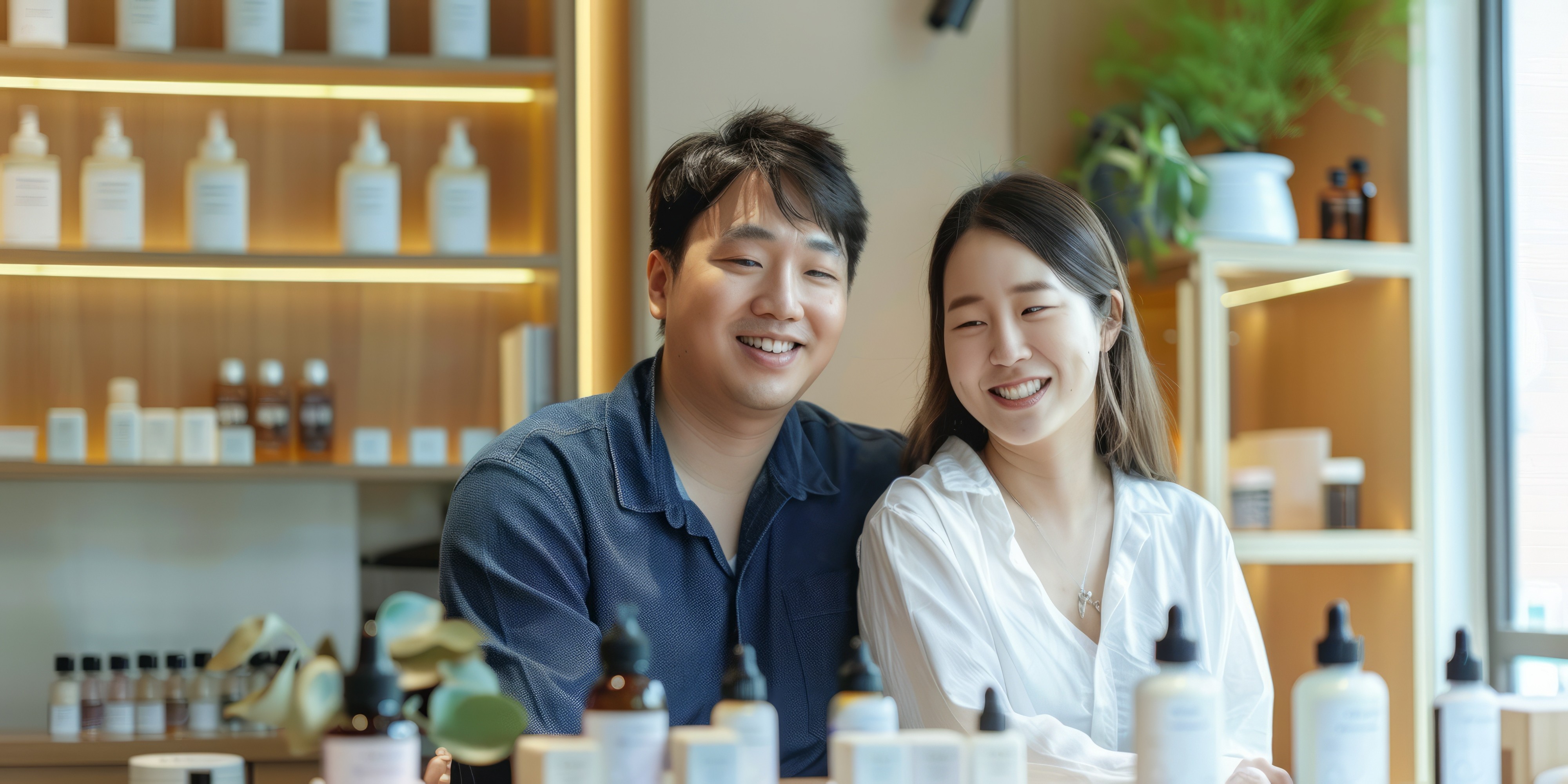
According to the latest data analysis in the beauty industry, consumers pay far more attention to "ingredient transparency", "natural healing sensation", and "sustainability" than to the value of prestigious brands in the past. This change has directly driven innovation in Hong Kong's retail environment. Emerging beauty brands like Mokusek, Factiv, and FANCL, emphasizing natural ingredients, minimalist packaging, and a healing experience, have won the favour of a large number of consumers.
At the same time, busy office workers in Hong Kong have changed their expectations of the "shopping experience". Consumers no longer just want to purchase products; they yearn to obtain physical and mental relaxation and healing during the shopping process. As one consumer visiting a Wabi-Sabi style beauty shop described: "When I step into this shop, it feels as if all the hustle and bustle of the city has been shut out, and I can truly feel the texture of the products themselves, rather than being overwhelmed by complicated lighting and promotional messages."
A Design Revolution in Retail Store Design
Hong Kong's high-end beauty and skincare retail industry is undergoing a design revolution. Traditional beauty counters usually feature bright, piercing lights, brightly coloured display racks, and densely packed products, aiming to stimulate the desire to buy. However, emerging Wabi-Sabi style beauty shops employ the exact opposite strategy.
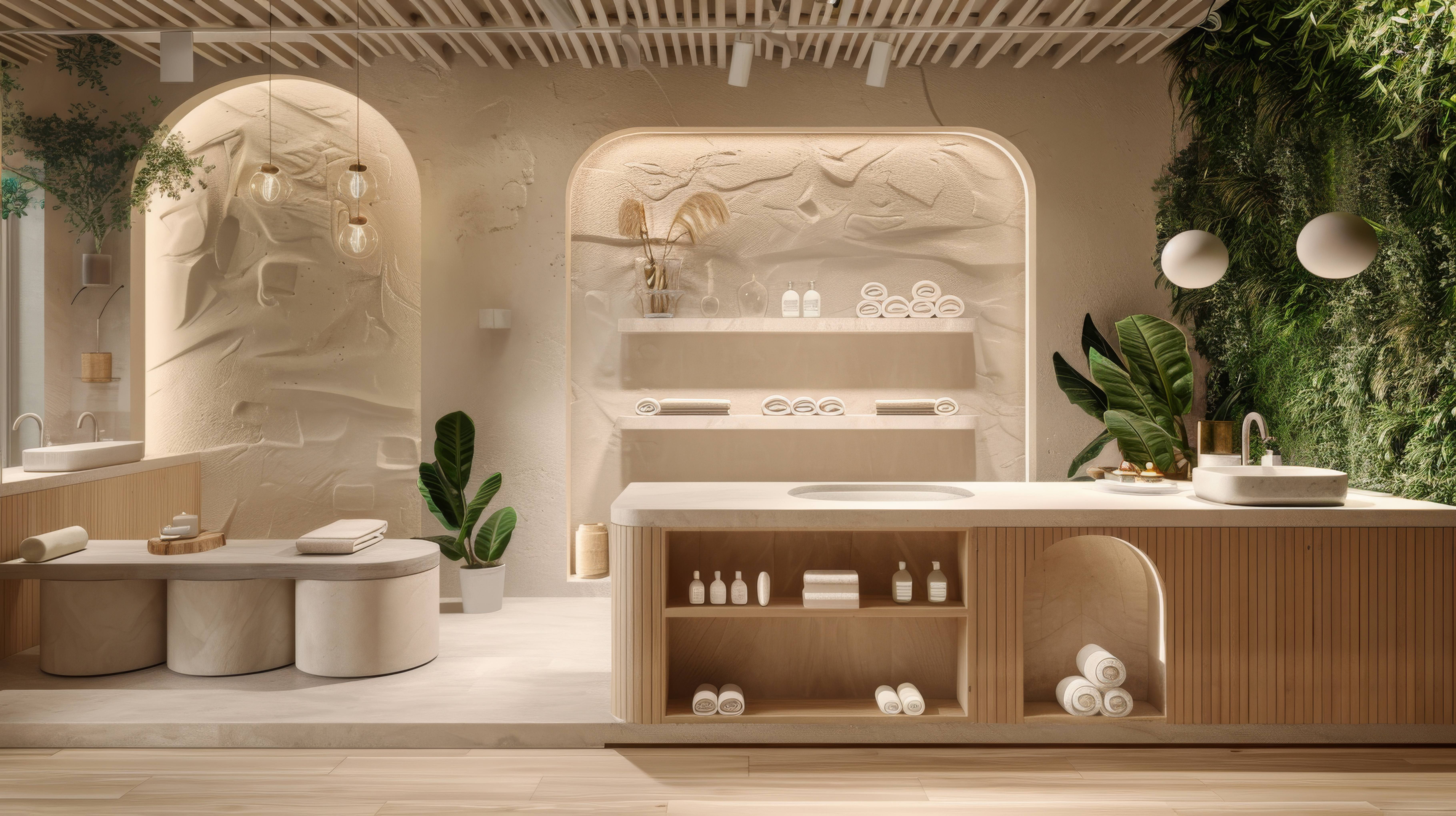
Grown Alchemist, which is opening a new shop in Hong Kong, is a prime example of this trend. When this Australian organic beauty pioneer entered SOGO Department Store, they specially created a counter design inspired by an "apothecary's lab", subtly combining light-coloured wood, lush green plants, and modern test tube containers to create an aesthetic space where the laboratory and nature blend. Compared to the metallic and artificial feel of traditional beauty counters, this design uses natural materials, low-saturation colours, and plenty of greenery to create a comfortable, luxurious, yet approachable shopping atmosphere.
Also noteworthy is the SkinSmart beauty specialty store, which has just returned to Hong Kong, with its new store decor directly inspired by healing nature. The shop is dominated by wood tones, carefully dividing zones for skincare, makeup, haircare, body care, and fragrance, presenting an overall simple yet exquisite healing sensation. This design strategy reflects an important retail trend: the space itself is part of the product experience.
Core Design Elements of Wabi-Sabi Style Beauty Shops
Natural Wooden Furniture and Choice of Materials
The most eye-catching design element of Wabi-Sabi style beauty shops is the extensive use of natural wooden furniture. This is not a simple aesthetic choice, but a philosophical expression. In Hong Kong's commercial spaces, the application of wooden materials has often been regarded as "low-end" or "outdated", but the emergence of Wabi-Sabi has completely changed this perception.
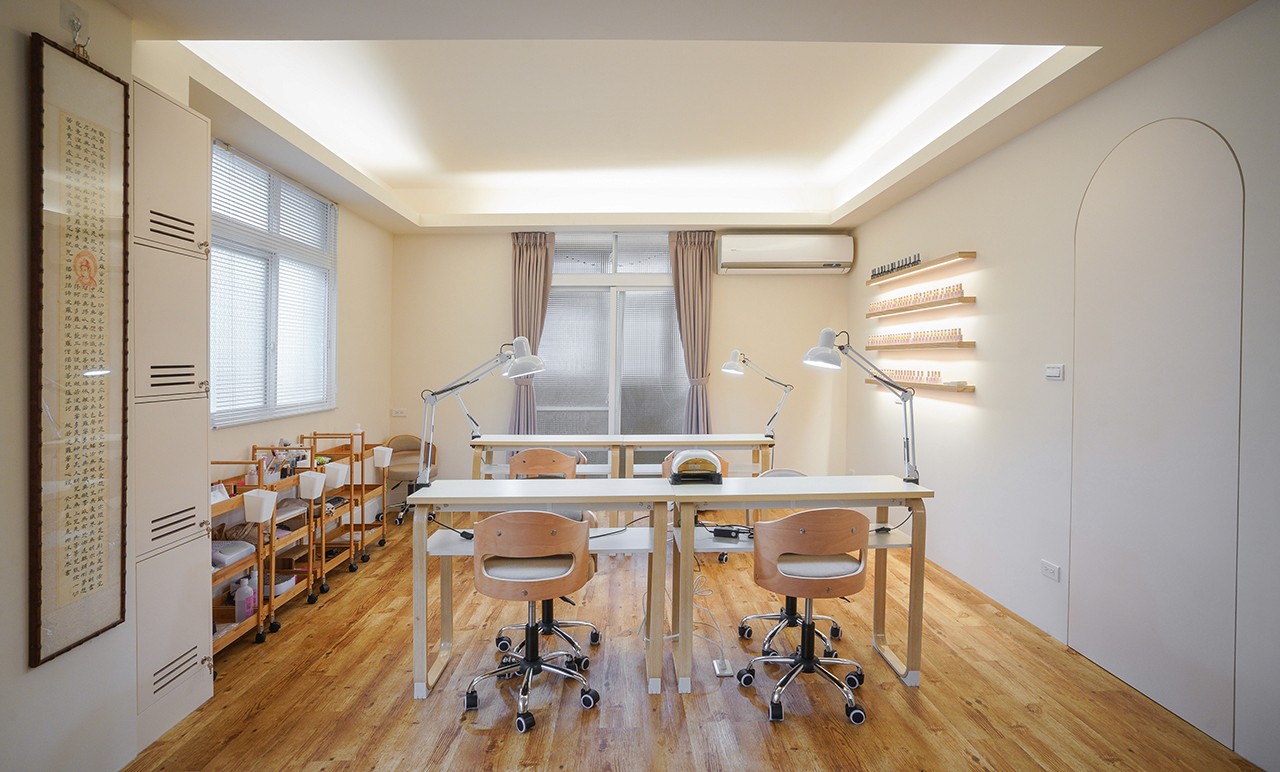
Image source: Design Want
The wood selected for these shops is usually unpolished logs, retaining the natural grain, colour variations, and even imperfections of the wood. For example, some high-end wooden furniture brands, such as Stubborn Oyaji (Hong Kong store), use American oak, black walnut, or native Japanese wood that is over 100 years old. These woods bear the marks of time and feature unique grain patterns, with each piece being one-of-a-kind, which is precisely the "sense of time" and "sense of history" championed by Wabi-Sabi aesthetics.
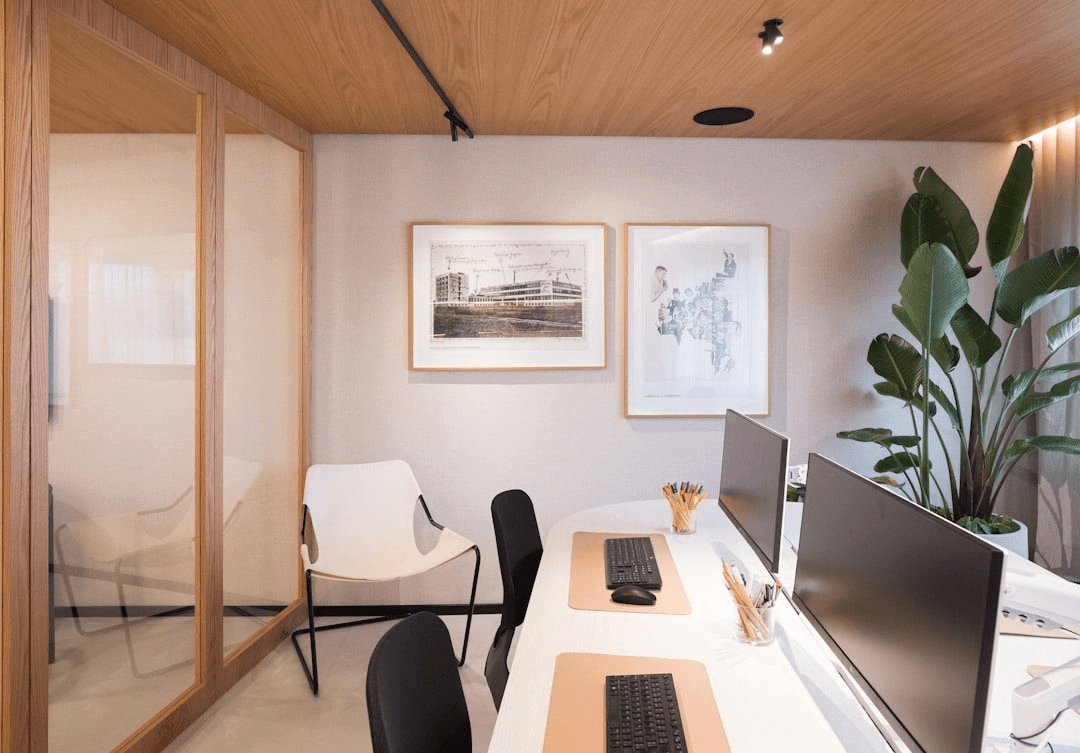
In the specific application in beauty shops, wood appears not only on furniture but also on product display racks, wall decorations, floors, and even ceilings. This comprehensive application of wood creates a "wooden micro-environment", enveloping consumers in a warm, natural atmosphere without them realizing it. Compared to cold, hard glass display cabinets and stainless steel racks, the sense of approachability and warmth radiated by wooden display counters holds an immense appeal for busy Hong Kong office workers.
Minimalism and the "Less is More" Display Logic
The second core element of Wabi-Sabi style beauty shops is the thorough practice of minimalism. This stands in stark contrast to the display logic of traditional beauty chain stores. Traditional beauty shops often practice "dense display"—placing as many products as possible in a limited space to create a rich, enticing visual effect. In contrast, Wabi-Sabi style shops follow the "less is more" principle.
Each display area showcases only selected products, leaving a significant amount of blank space to allow consumers' eyes a chance to breathe. The psychological effect of this display method is remarkable: it eliminates the anxiety caused by "choice overload", allowing consumers to focus more on appreciating the texture, packaging design, and intrinsic value of each product. In an urban environment like Hong Kong, filled with choices and information explosion, the emergence of this "sense of blankness" has become a luxury, and even a form of spiritual salvation.
Lighting Design and the Creation of Meditative Spaces
The third key element of Wabi-Sabi style beauty shops is lighting design. Wabi-Sabi aesthetics place special emphasis on the dynamism of natural light—not illuminating every corner evenly, but allowing light to change with time, season, and weather, creating a dynamic, living effect of light and shadow.
In practice, this means these shops often adopt large floor-to-ceiling glass windows to introduce ample natural light. In areas where natural light is unavailable, soft, warm-toned artificial lighting is used to simulate the light effects of dusk or dawn. The light is not glaring, but gentle and permeating, as if guiding consumers into a meditative state. The combination of this lighting design with plenty of greenery gives the entire space a "meditative" quality, completely different from the "shopping stimulation" of traditional beauty shops.
The Healing Needs of Hong Kong Office Workers: Why Wabi-Sabi Wins Hearts
Hong Kong's "Fast Life" Crisis
To understand why Wabi-Sabi style beauty shops are so popular in Hong Kong, one must first deeply understand Hong Kong's pace of life and psychological state. Hong Kong is commonly listed as one of the "world's busiest cities" by global work-life balance research institutions. According to various surveys, office workers in Hong Kong work an average of over 50 hours per week, with many spending 2-3 hours daily on commuting, and having to handle various chores and personal matters after work. This extreme time pressure and physical and mental exhaustion have become a norm in Hong Kong society.
Against this backdrop, Hong Kong consumers' longing for "healing" has reached an unprecedented height. They no longer solely pursue product efficacy; they yearn to seek spiritual solace in the consumer experience itself. Traditional beauty counters in large shopping malls, despite having a wide range of goods, are filled with excessive commercialism, a competitive atmosphere, and consumption pressure, which actually exacerbate the anxiety of modern people. Conversely, the tranquil, natural, and low-pressure environment created by Wabi-Sabi style beauty shops serves as a "spiritual sanctuary" where people can take a brief respite.
Evolution of Consumer Psychology: From Material to Experience
A notable change in Hong Kong's beauty consumption is the shift in consumer psychology from "material purchasing" to "experiential consumption". The new generation of consumers no longer views shopping simply as the act of acquiring goods, but as an investment in lifestyle and an adjustment of their state of mind.
This change is particularly evident in the choice of skincare products. In the past, Hong Kong consumers were often attracted by big brands, high prices, and glamorous packaging. Today, however, more and more consumers are turning to products that emphasise "ingredient lists", "ingredient transparency", and "gentle efficacy". Local brands like Mokusek and NUDE STORY have won the favour of a large number of consumers precisely because of their emphasis on natural ingredients, minimalist packaging, and healing philosophies.
This shift has also driven innovation in beauty store design. Consumers increasingly want to feel "quality", "trust", and "healing" in the shopping environment, rather than passively accepting commercial pitches. The Wabi-Sabi style beauty shop is the perfect response to this psychological need—through the environmental design itself, it conveys the message: "I care about your physical and mental well-being", "I respect your time", "What I offer is not just products, but a lifestyle."
The Paradox of "Busyness": Why Busy People Need Wabi-Sabi Even More
On the surface, the busiest people should have no time to appreciate the details of a Wabi-Sabi space. In reality, however, it is precisely because their pace of life is so fast that they need such spaces even more. Busy Hong Kong office workers exhaust their energy all day dealing with work and social interactions. For them, the "quietness" and "blankness" provided by Wabi-Sabi style beauty shops are in themselves a precious resource.
In such a space, consumers can slow down, feel, and reflect. When standing in a space filled with natural light and woody aromas, looking at a carefully curated selection of products, their shopping process is no longer about "quick decision-making", but becomes "a ritual of meditation". This sense of ritual holds deep healing significance for people living under high pressure. As a regular customer described: "Every time I enter this shop, I feel time slowing down, and I begin to rethink the question, 'What do I really need?'"
Practical Cases and Insights of Wabi-Sabi Style Beauty Shops
Exemplary Stores in the Hong Kong Market
Although traditional large beauty chains still dominate Hong Kong's retail market, Wabi-Sabi style beauty and skincare concept stores are growing rapidly. Some newly opened independent or small chain beauty brand stores in Hong Kong have begun to adopt Wabi-Sabi design concepts.
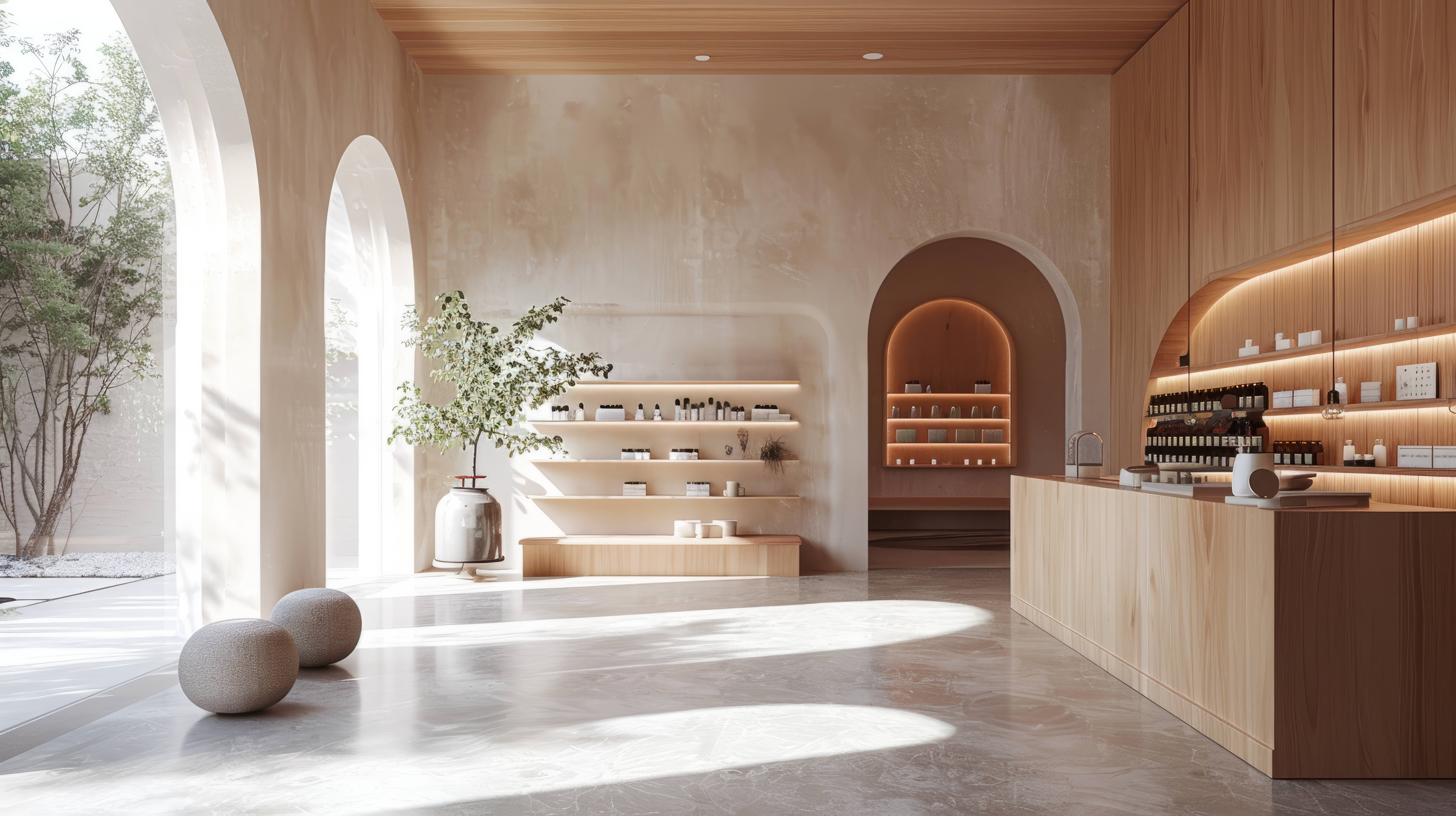
The new store opened by the Rituals brand in Harbour City is a great example. This shop adopts soft tones, natural light, and a spacious feel, providing busy Hong Kong urbanites with a "healing space to distance themselves from the bustle and relax their minds and bodies". Consumers can try products here without rush, and professional staff will guide them through a complete, ritualistic skincare experience, such as a multi-step hand care procedure, with each step emphasizing detail and warmth.
SkinSmart, which recently entered Hong Kong, has also opened a new store in K11 Musea. Its "nature-inspired" design style fully follows the principles of Wabi-Sabi aesthetics. The entire space is dominated by wood tones, and the product areas are detailed but not dense, full of breathing space. This design successfully transforms the shopping environment from a "transaction place" to a "living space".
Reflections of Hong Kong's Design Industry
Interior designers and retail consultants in Hong Kong are starting to recognise the importance of the Wabi-Sabi style in attracting modern consumers. When design consultancy CTRC Design redesigned the flagship store for INUF, a high-end Hong Kong beauty brand, while retaining some bold colours and visual elements (to showcase brand personality), it also incorporated the core philosophy of "naturalness, simplicity, and respect for materials" from Wabi-Sabi aesthetics.
Designer Christine believes that when designing retail spaces for female consumers, the most important thing is "to make customers feel respected and understood". She pointed out: "Many brands pile too many elements into their designs, which ends up diluting the brand's authenticity. But when you preserve blank space, emphasise the natural quality of materials, and allow light to flow, consumers feel genuine sincerity."
The Deeper Meaning of Wabi-Sabi Style Beauty Shops: Reflection on Hong Kong Urban Life
Gentle Resistance to Consumerism
From a broader perspective, the popularity of Wabi-Sabi style beauty shops represents a gentle and elegant resistance to endless consumerism. It does not radically reject consumption, but rather guides people to engage in "conscious consumption" by changing the way, environment, and mindset of consumption.
Under the framework of Wabi-Sabi, consumers are encouraged to ponder questions like "What do I really need?", "What is the true value of this product?", and "What impact does shopping have on my mind and body?" A small selection of products, simple packaging, transparent ingredient information, and a tranquil shopping environment—all of this silently conveys a message: shopping is not about filling a psychological void, but about enhancing the quality of life.
Eastern Aesthetics' Response to Western Material Civilization
From a cultural perspective, Wabi-Sabi style beauty shops also represent a cultural response of Eastern aesthetics to Western material civilization. As a highly Westernised international city, Hong Kong has long been dominated by Western aesthetic standards—splendid, luxurious, complex, and pursuing flawless perfection. The rise of the Wabi-Sabi style symbolises the revival and re-establishment of Eastern philosophy and aesthetic standards in Hong Kong.
This is not cultural conservatism, but a creative fusion. Wabi-Sabi style beauty shops do not simply replicate traditional Japanese spaces; rather, under modern commercial logic, they blend Eastern meditation, simplicity, and a sense of time into contemporary retail design. This fusion represents Hong Kong's cultural confidence and creative practice in the face of the impact of globalisation.
Repositioning Human Values
The deepest significance of the success of Wabi-Sabi style beauty shops lies in its repositioning of human values in commerce. Traditional retail models treat consumers as "purchasing power", whereas Wabi-Sabi treats consumers as "whole human beings"—complete individuals with physical, emotional, and spiritual needs.
In such stores, the role of staff also shifts from "salespeople" to "care guides". They do not try to persuade consumers to buy more, but help consumers find products that truly suit them and can enhance their quality of life. Consumers may stay for a long time, but their purchase amount might not be very high—this is considered "inefficient" in traditional retail models, but in the logic of Wabi-Sabi, this is precisely a "high-quality" experience.
Future Outlook: The Development Direction of Wabi-Sabi Style in Hong Kong
Market Potential and Challenges
Although Wabi-Sabi style beauty shops are still in a relatively early stage in Hong Kong, their market potential is immense. Hong Kong consumers' focus on healing and physical and mental well-being continues to rise, and the new generation of consumers has increasingly high demands for brand recognition and shopping experience. These factors have created a favourable environment for the development of Wabi-Sabi style beauty shops.
However, Wabi-Sabi design also faces practical challenges. First, high-end log furniture and meticulous design costs are relatively high, which limits adoption by small and medium-sized brands. Second, the "slow pace" and "low density" display methods of Wabi-Sabi are less efficient in the face of Hong Kong's exorbitant rent costs. Third, not all consumers can understand and appreciate Wabi-Sabi aesthetics; some consumers are still accustomed to traditional dense displays and commercial stimulation.
Local Adaptation and Innovation
In the future, the development of Wabi-Sabi style in Hong Kong may move towards "localised innovation". Designers and brand owners may fuse local Hong Kong cultural elements, such as industrial-style architecture, the characteristics of old Tong Lau (tenement buildings), and Hong Kong's handicraft traditions, to create a "Wabi-Sabi style with Hong Kong characteristics".
At the same time, digital technology may also offer new opportunities for Wabi-Sabi retail. For instance, providing immersive product experiences through AR/VR technology and recording consumers' personalised skincare journeys through APPs can enhance modern retail efficiency while maintaining the core values of Wabi-Sabi aesthetics.
Insights for Hong Kong's Overall Retail Ecology
The insights of Wabi-Sabi style beauty shops for Hong Kong's entire retail ecology are profound. It proves that in a highly commercialised market like Hong Kong, there is still a huge demand for "human values", "physical and mental health", and "quality of life". It also suggests to retailers that future competition lies not only in product efficacy and price, but in "creating a complete life experience".
The emergence and popularity of Wabi-Sabi style beauty shops in Hong Kong is not just a design trend or commercial phenomenon; it deeply reflects a cultural reflection and spiritual demand of Hong Kong society in the face of rapid modernisation. In such stores, busy Hong Kong consumers have found a space where they can slow down, connect with nature, and rethink the meaning of life.
The warmth of wood, the softness of natural light, the breathing space of blank areas, and the restraint of product display—all of this silently conveys an ancient Eastern wisdom: true beauty stems from the acceptance and respect of nature, time, and imperfection. In a city full of noise and change, such an aesthetic is no longer just a choice of design style, but has become an important avenue for modern people seeking physical and mental balance and rebuilding the meaning of life.
With the awakening of more consumers and the innovative practices of brand owners, Wabi-Sabi style beauty shops may well move from the fringe to the mainstream, becoming an important future development direction for Hong Kong's retail industry. In this process, Hong Kong's consumers, designers, and brand owners together witness and participate in a deep cultural dialogue about "what is true beauty" and "what is a quality life".