FUNDAMENTAL DIFFERENCES
Self-owned Properties vs Rented Properties
The fundamental differences in renovation mindsets
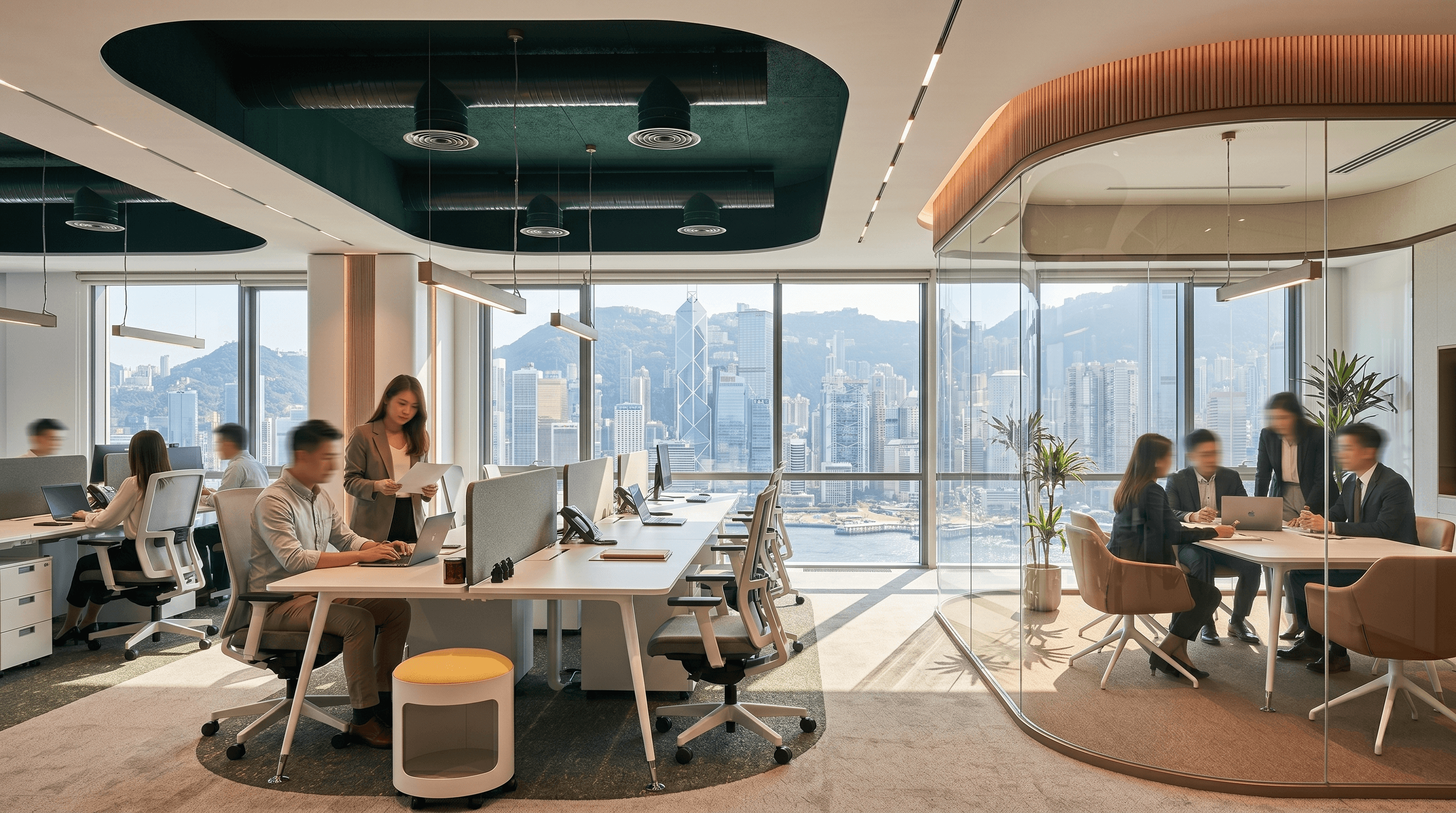
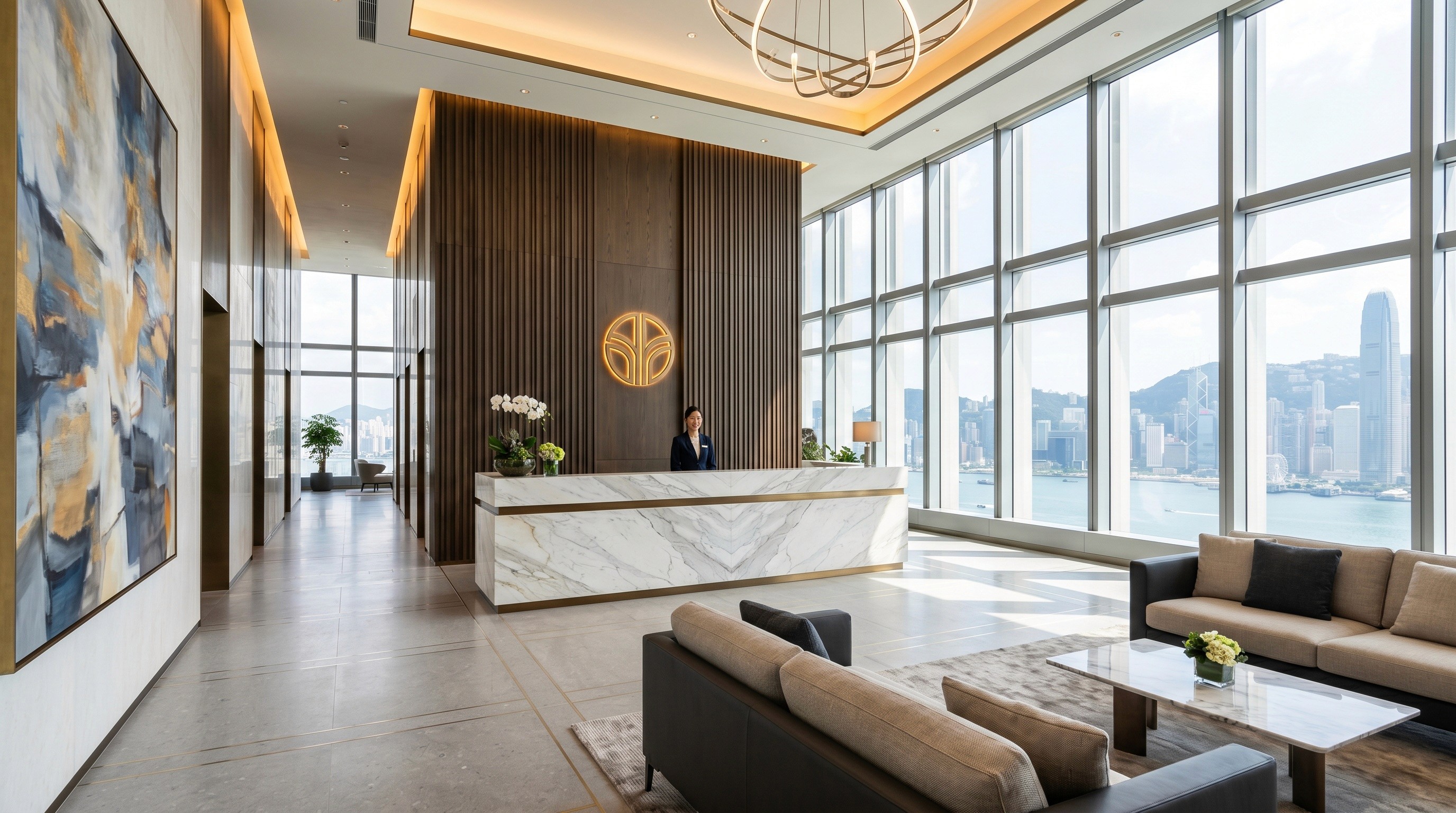
In Hong Kong, owning your own commercial property is a significant milestone for businesses reaching a certain scale. However, when renovating their own properties, many owners still adopt a tenant mindset—prioritising quick completion, cost control, and avoiding long-term investment. This mindset often significantly diminishes the potential value of their self-owned property.
Control the budget and avoid over-investing
Renovation lifespan of 3-5 years, subject to the lease agreement
Design focused on functionality, followed by aesthetics
Avoid major structural changes (due to reinstatement requirements)
Opt for ready-made furniture and standard materials
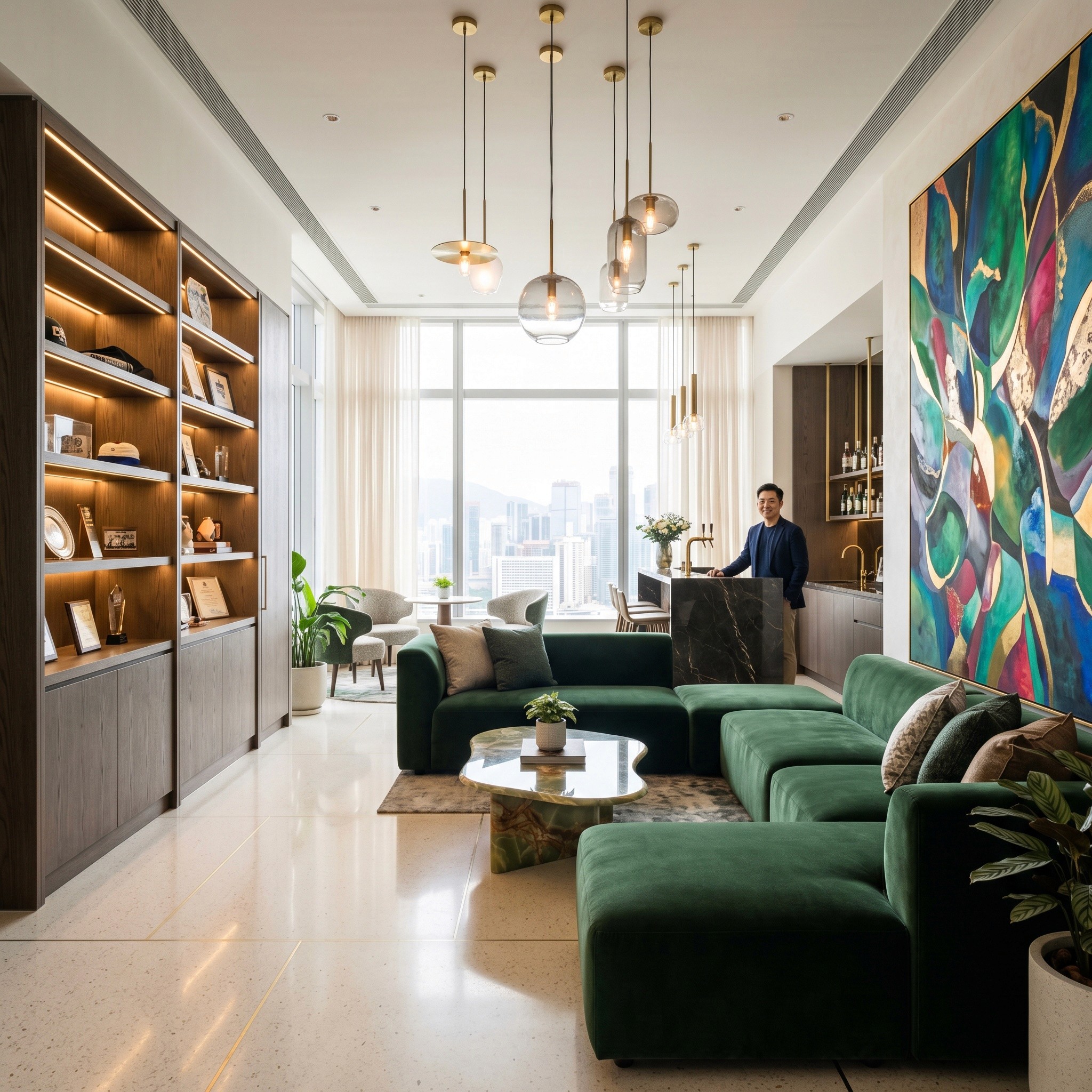
Regard renovation as a value-adding property investment
Design lifespan of over 5-8 years, pursuing durability
Balancing functionality, aesthetics, and corporate taste
Capable of large-scale transformations to showcase status
Extensive custom-made furniture and high-specification materials
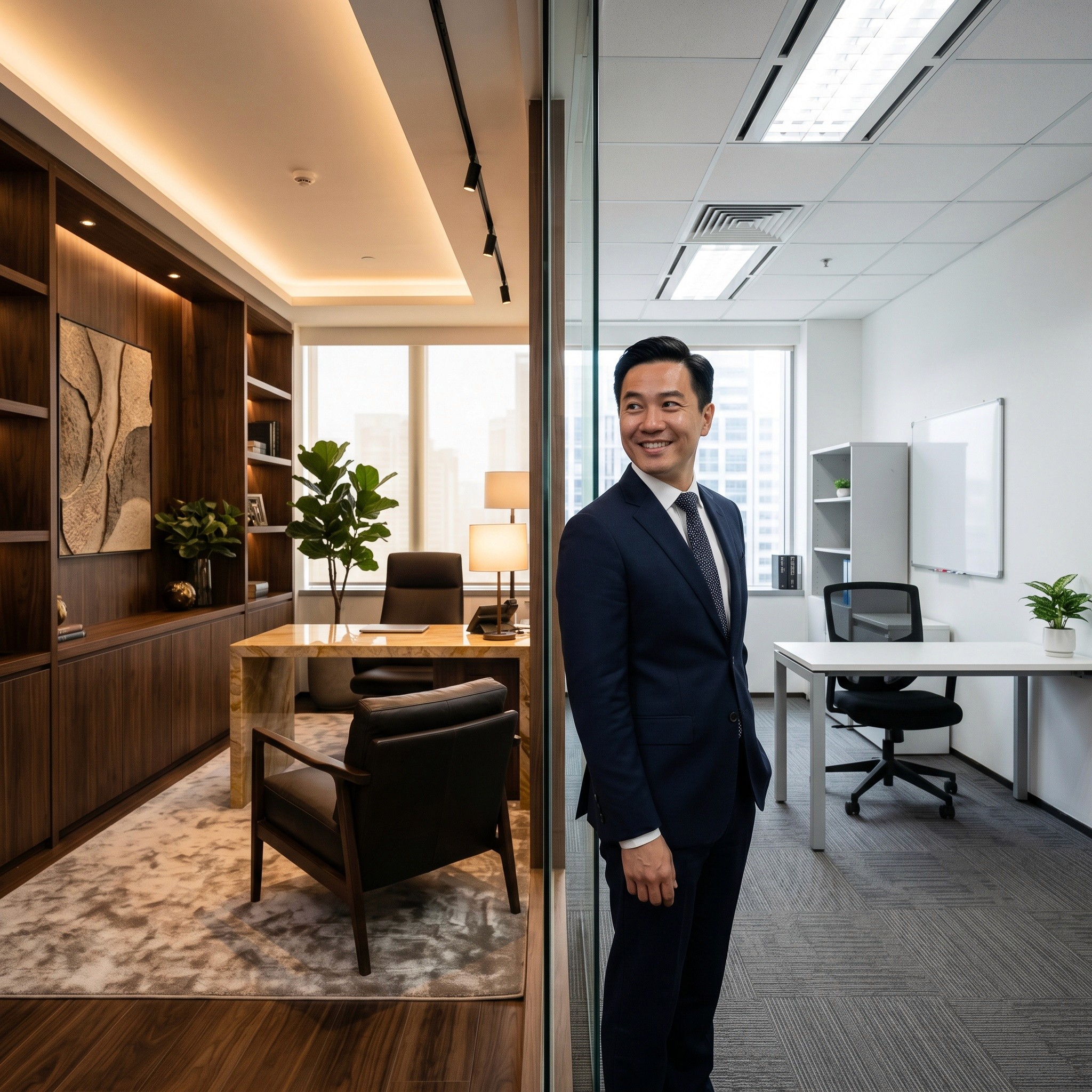
Homeowners of self-owned properties enjoy greater freedom in design.
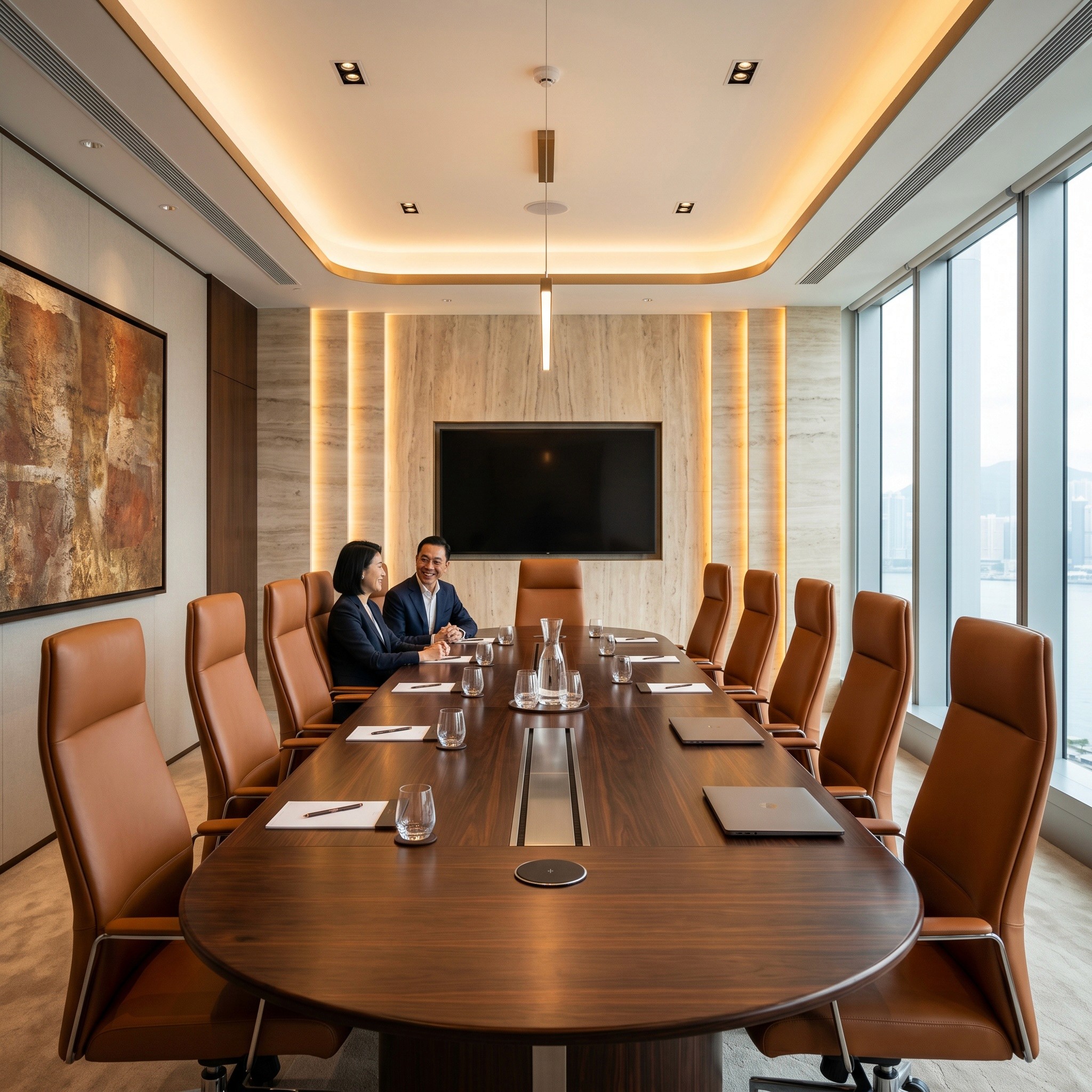
Free from the constraints of "reinstatement clauses", the space can be deeply renovated to create an office environment that truly reflects corporate culture and personal taste. This also means that the dialogue between the designer and the owner must transcend the level of mere "office renovation" and enter a deeper dimension of "space as a corporate asset and image carrier".
FOUR CORE INVESTMENT DIRECTIONS
Self-owned property renovation
Four Core Investment Directions
To align with new business development
The design of self-owned properties needs to foresee the business direction of the enterprise for the next five years. Will there be an increase in staff count? Will new business functions be required (such as showrooms or customer experience centres)? BW Design Centre assists property owners during the design phase to consider the flexibility and adaptability of the space.